Toyota · Works car, 24 Hours of Le Mans 1988
Restauration Toyota 88C — Taka-Q, Le Mans 1988
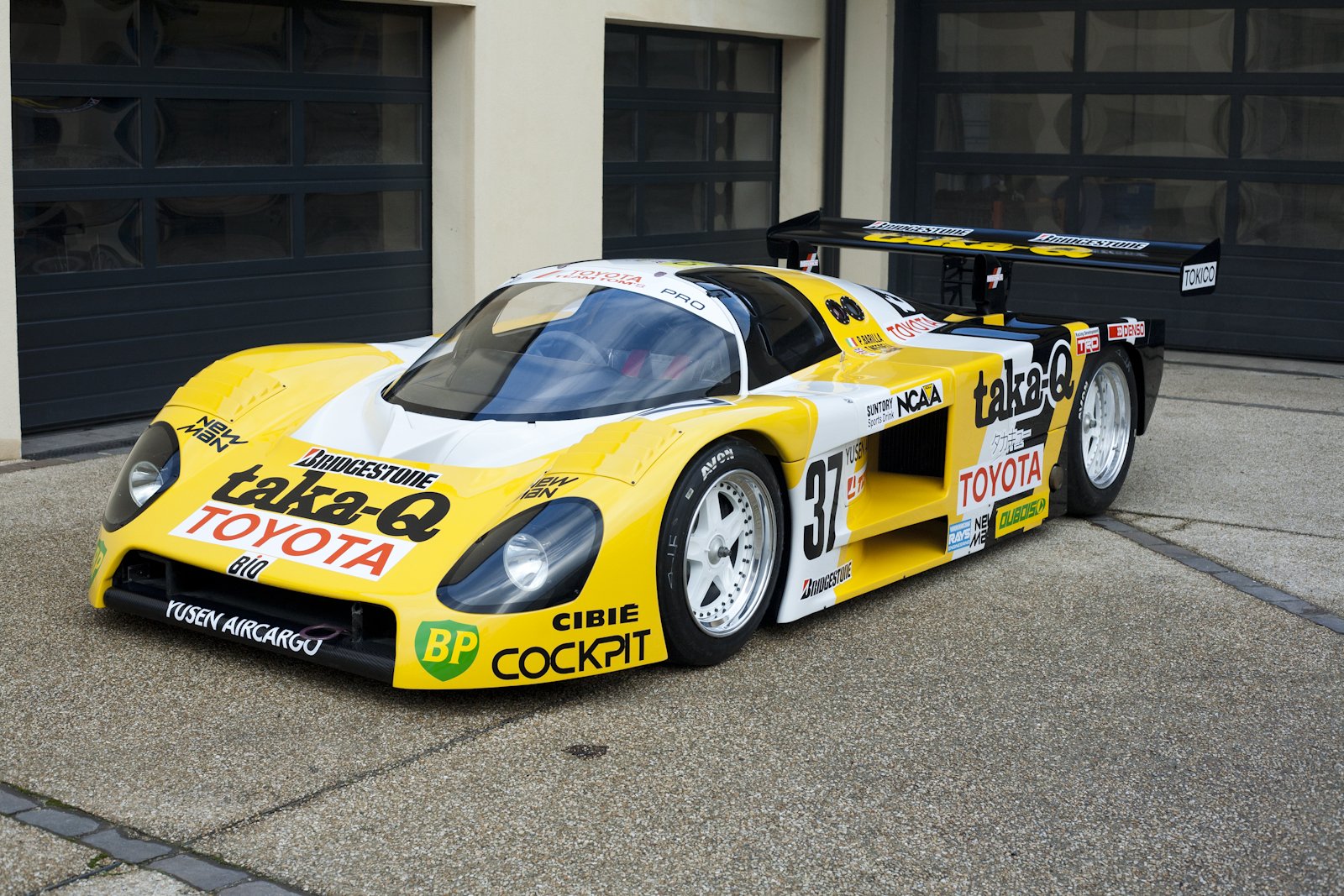
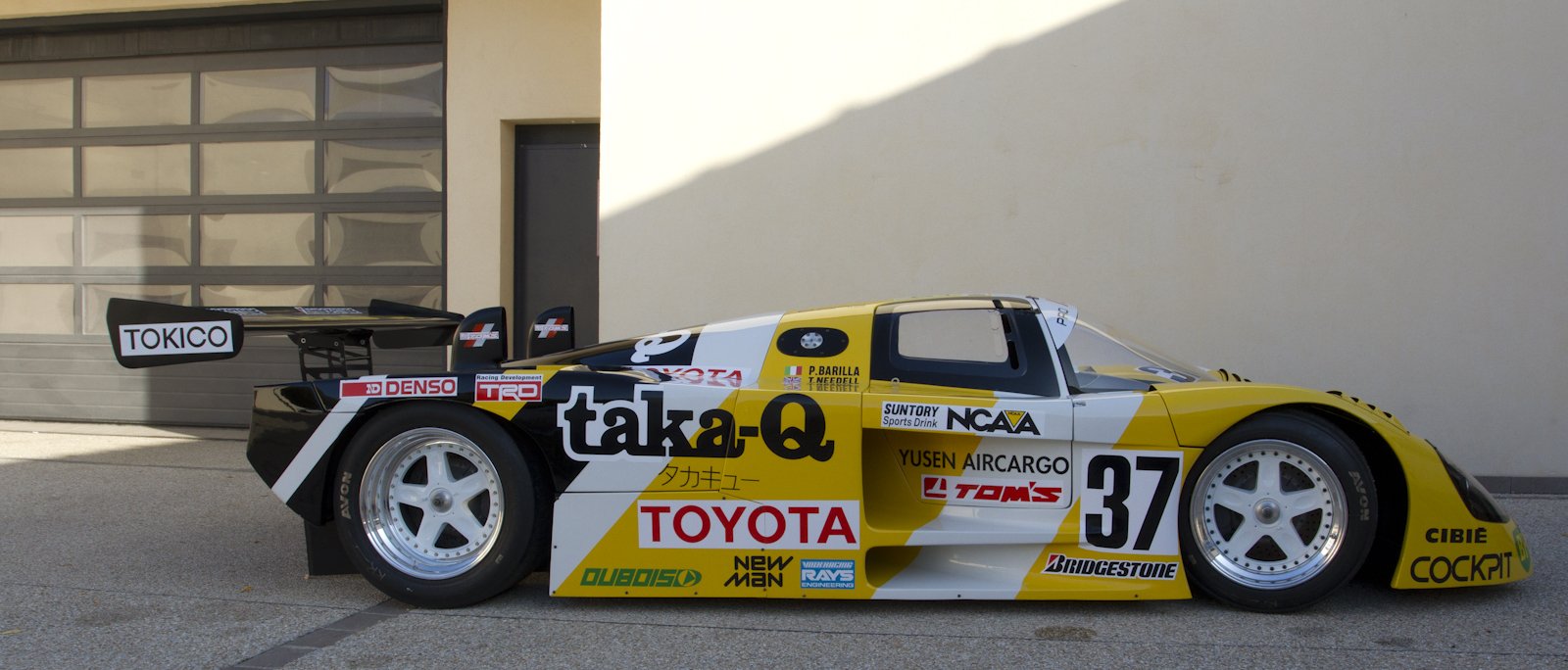
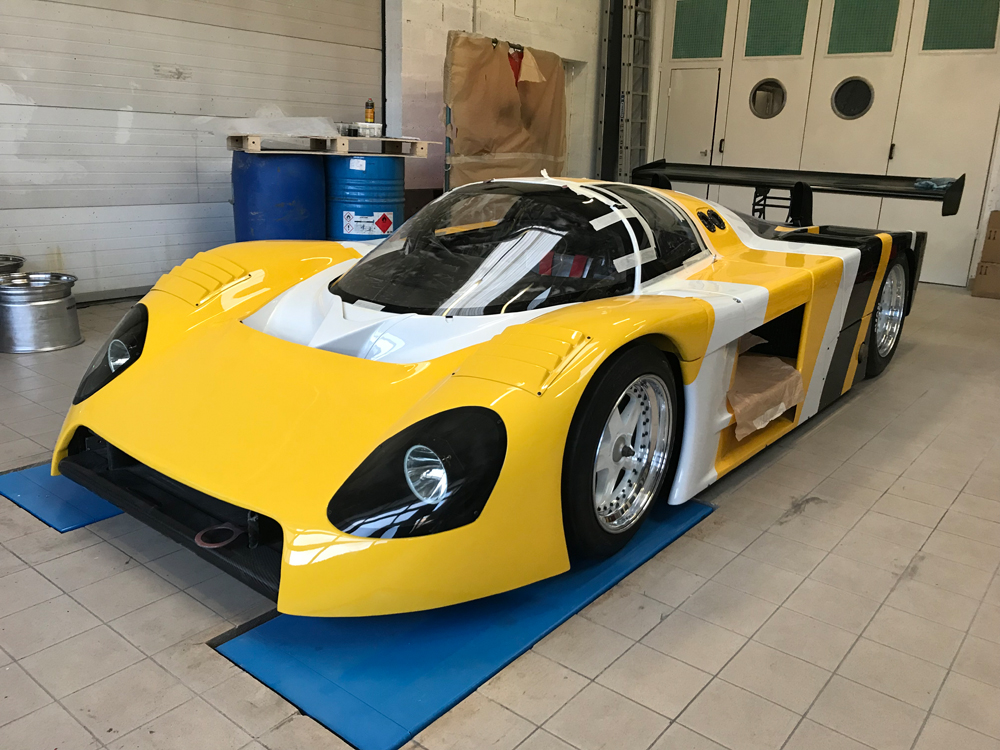
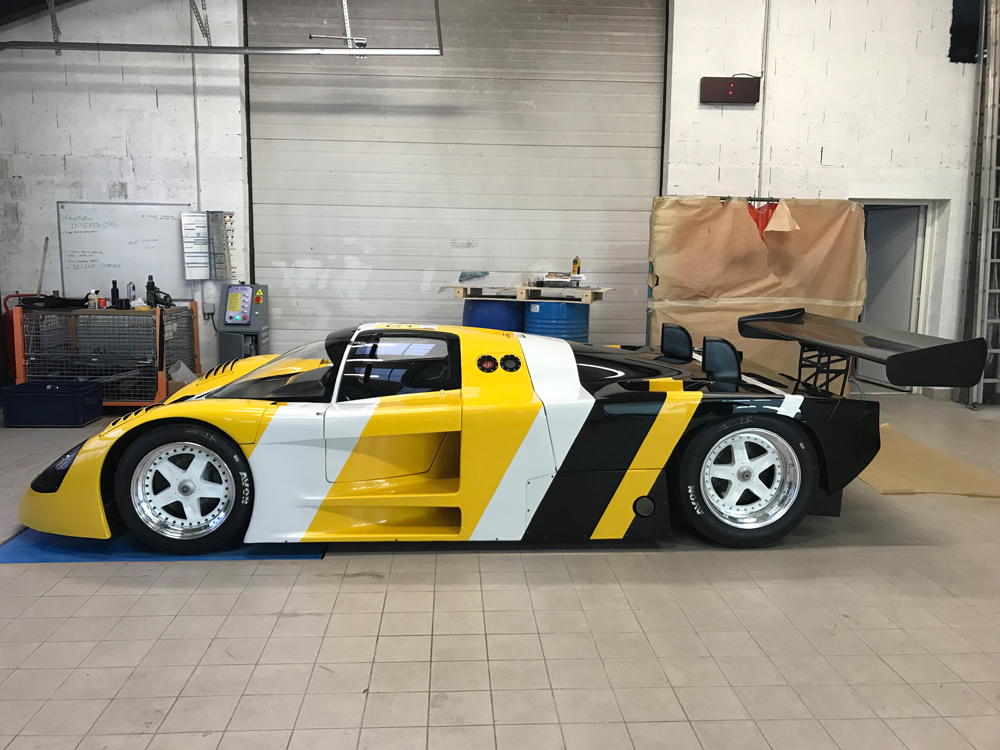
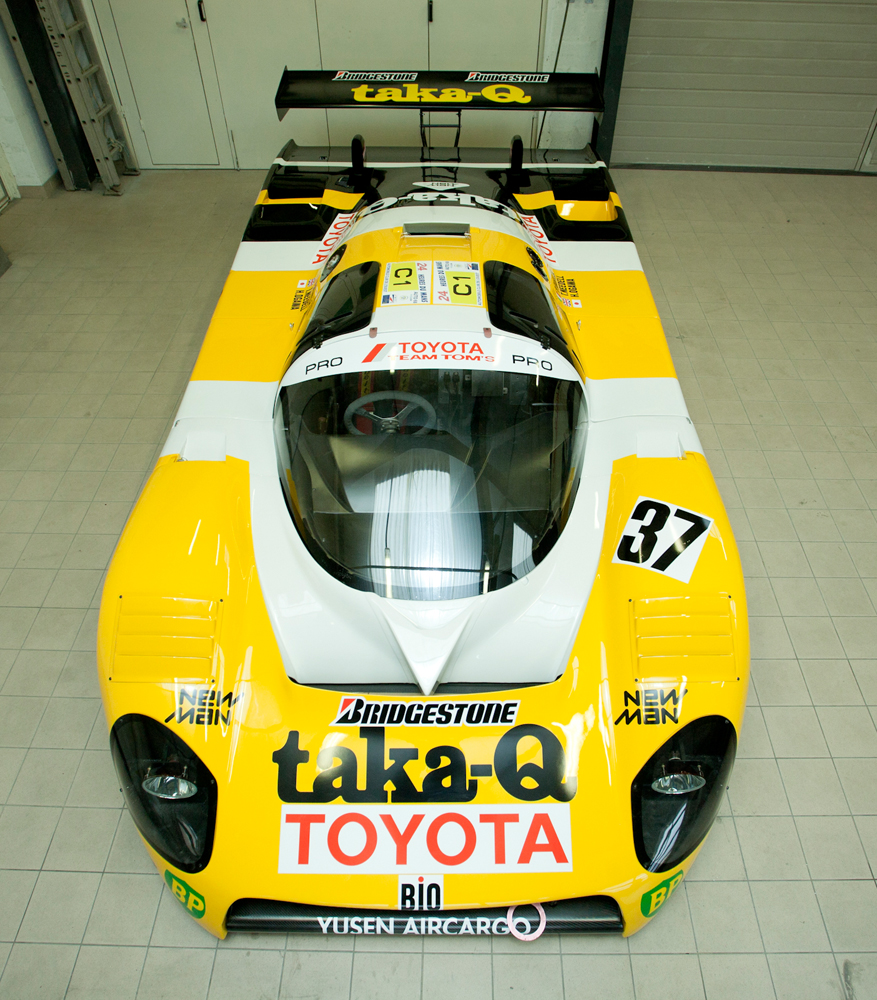
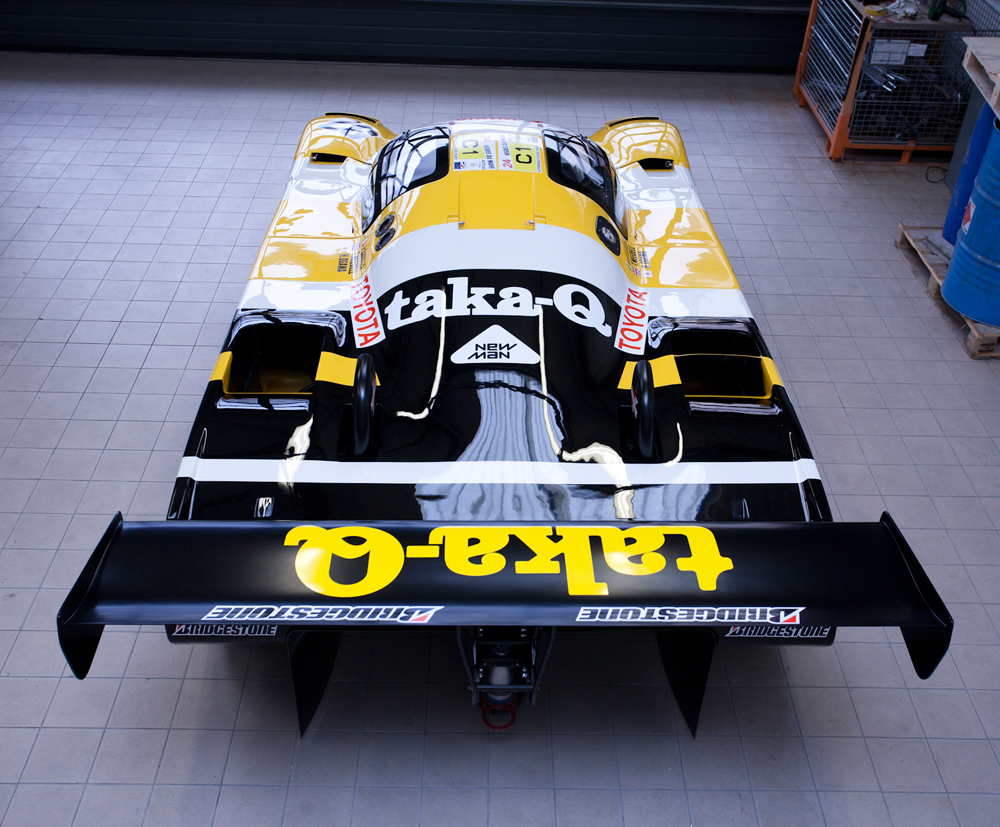
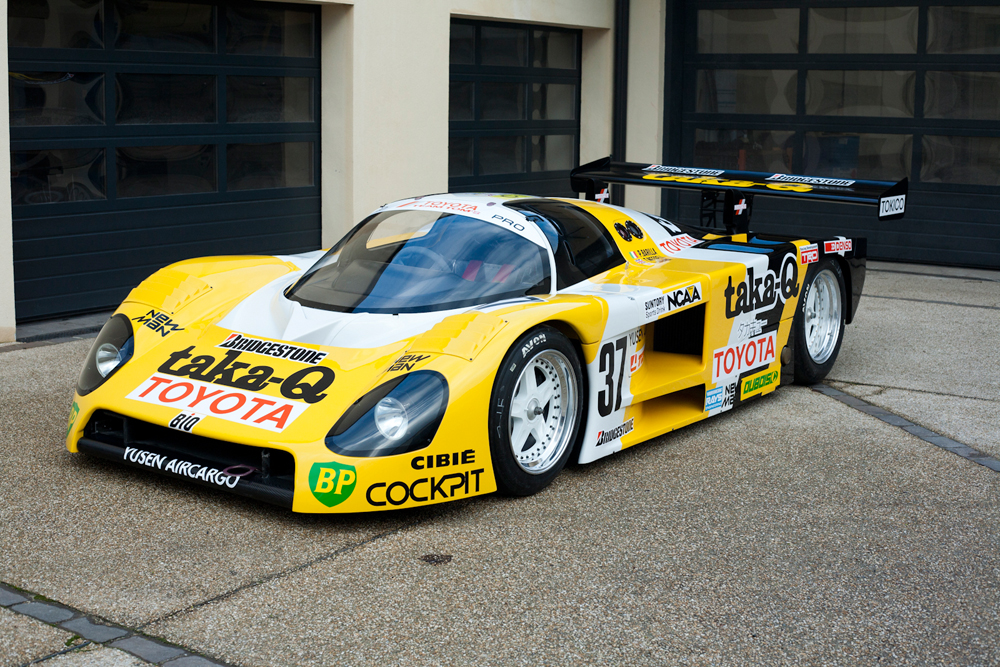
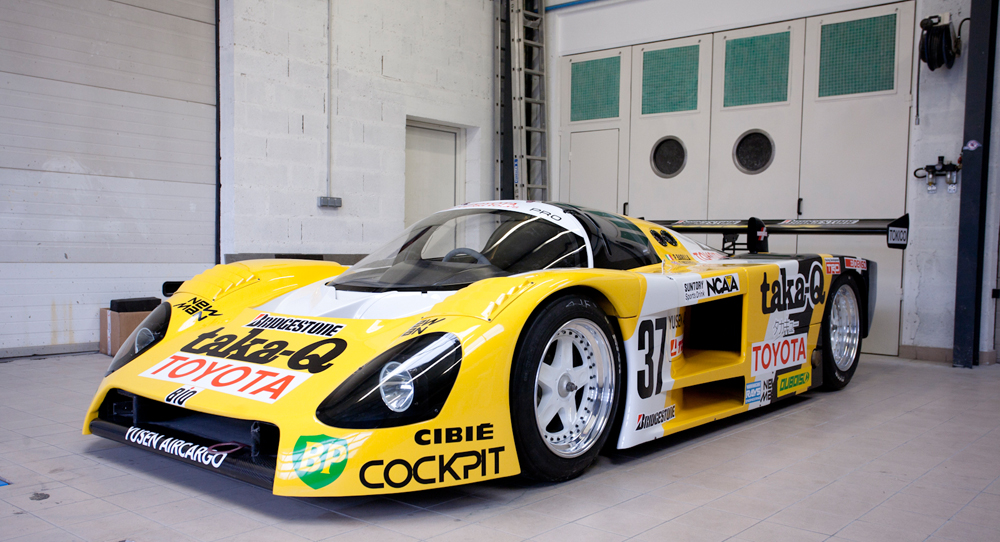
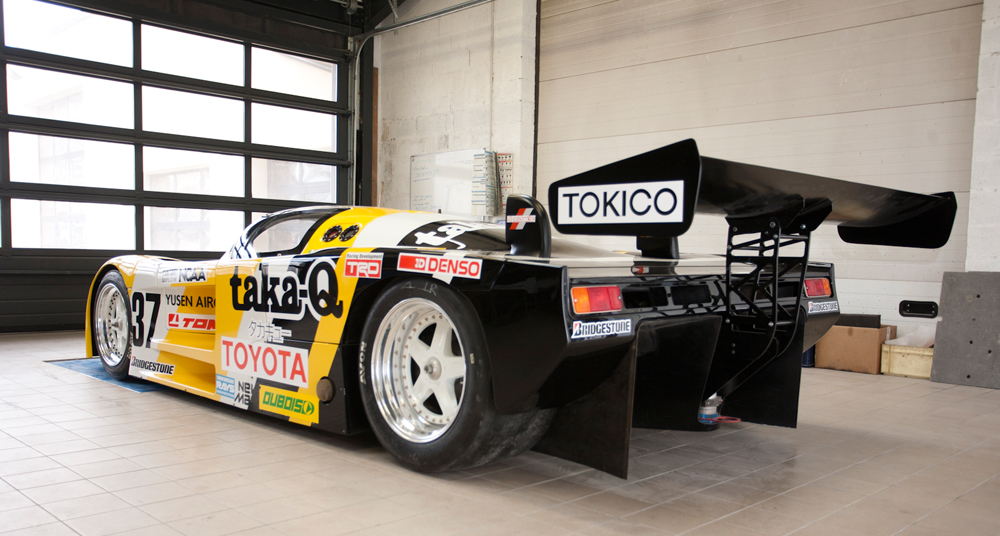
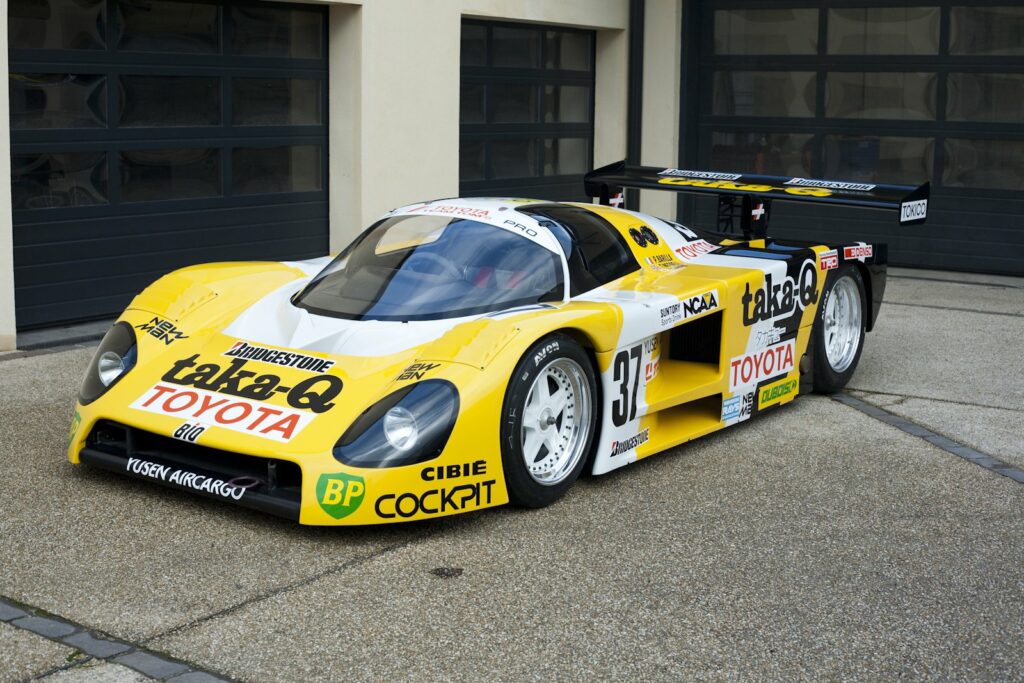
Entered in the 1988 24 Hours of Le Mans as no. 37 for Toyota Team TOM’S, this 88C is one of the two works cars of the season. Found in California in 2012 and shipped back to France, it regained its bodywork and its Taka-Q livery at the O-ONE workshop, west of Paris: panels repaired and fitted, colours matched, and the Le Mans livery recreated decal by decal.
The model
Only two works cars for the 1988 season, a 2.1-litre turbocharged four and a carbon body drawn by Hiro Fujimori at Dome.
1988
Two works Toyota 88Cs entered in the 24 Hours of Le Mans
n° 37
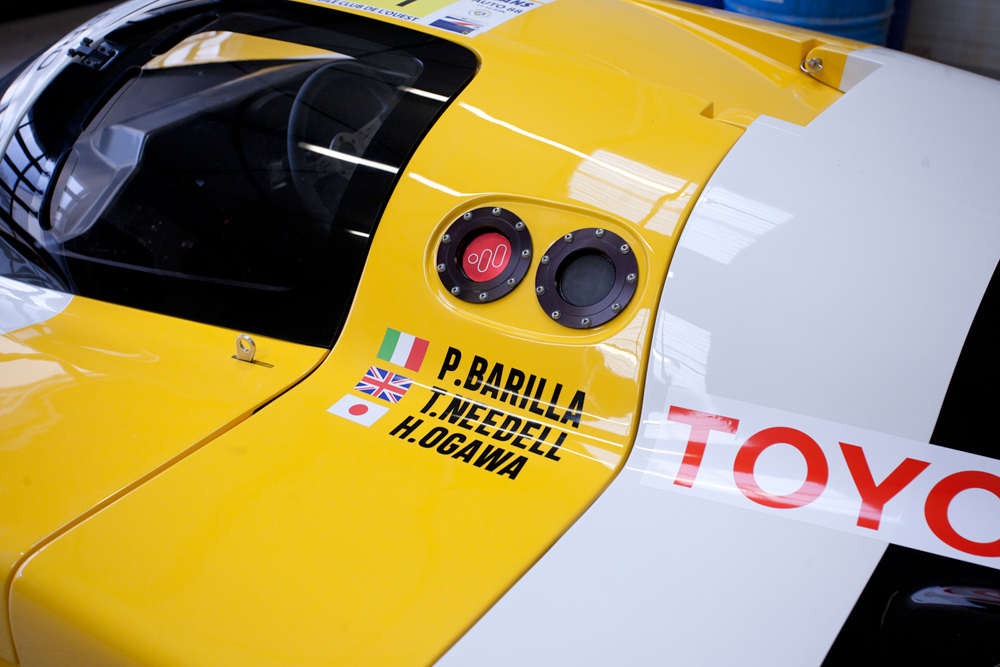
Barilla, Needell and Ogawa, 24th at Le Mans after 283 laps
1989
A full IMSA season with All American Racers
Toyota 88C: Japanese Group C, drawn at Dome
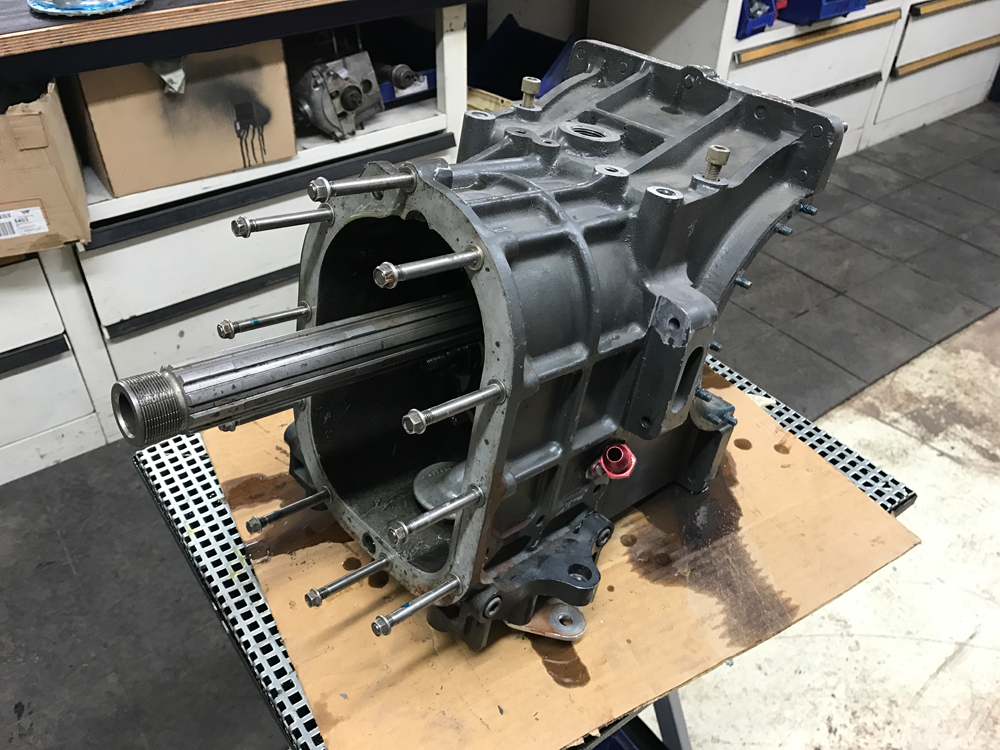
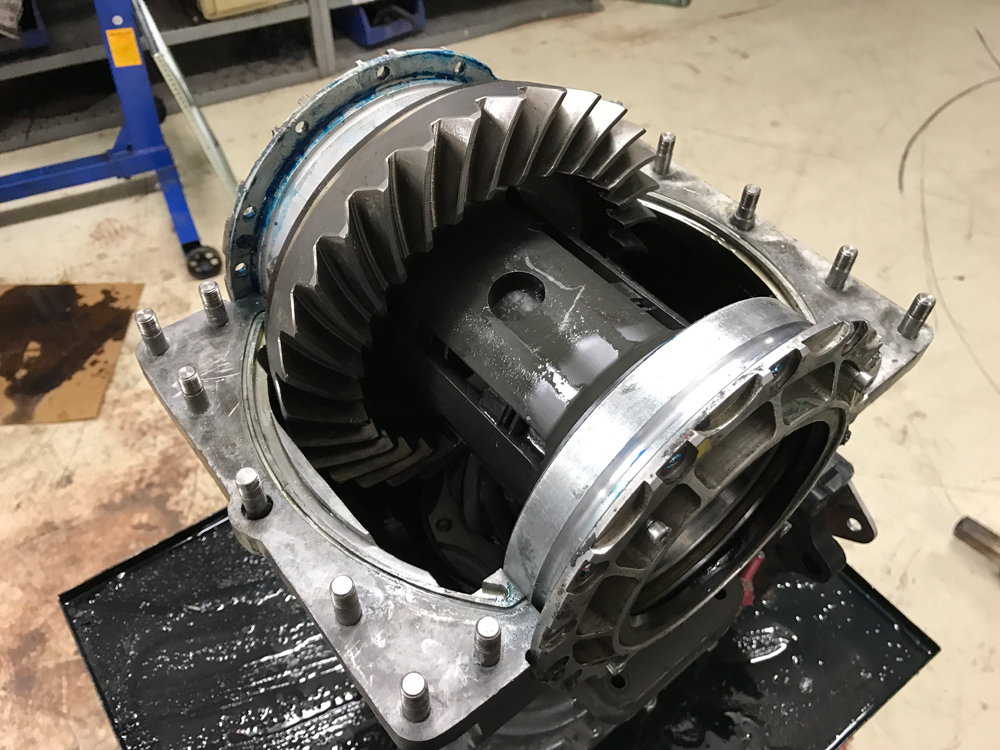
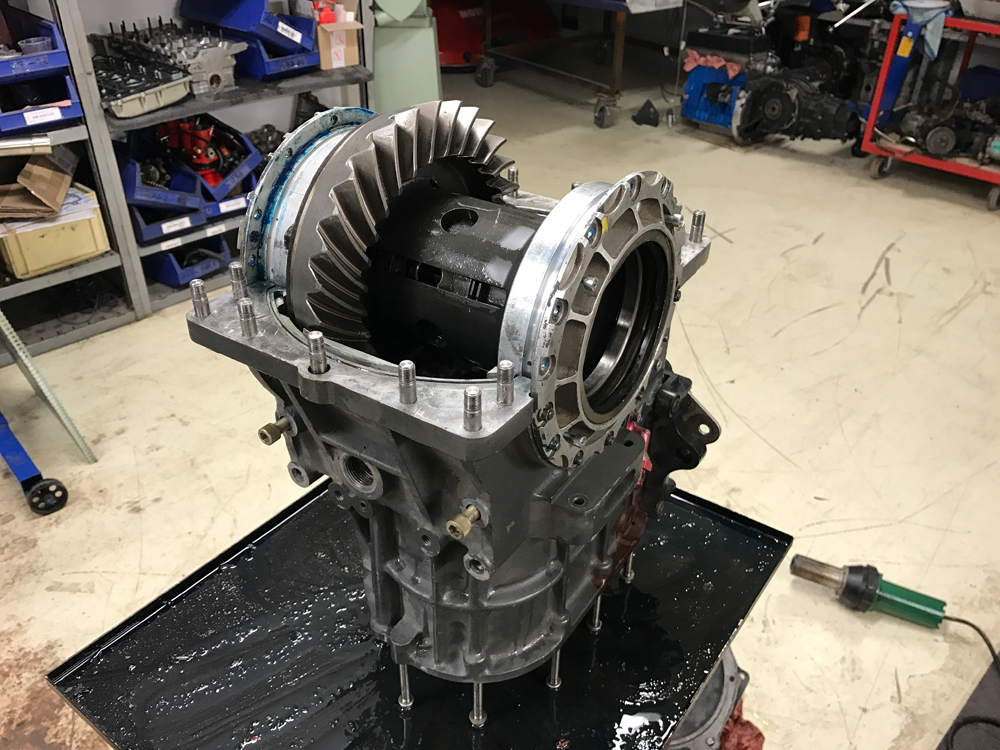
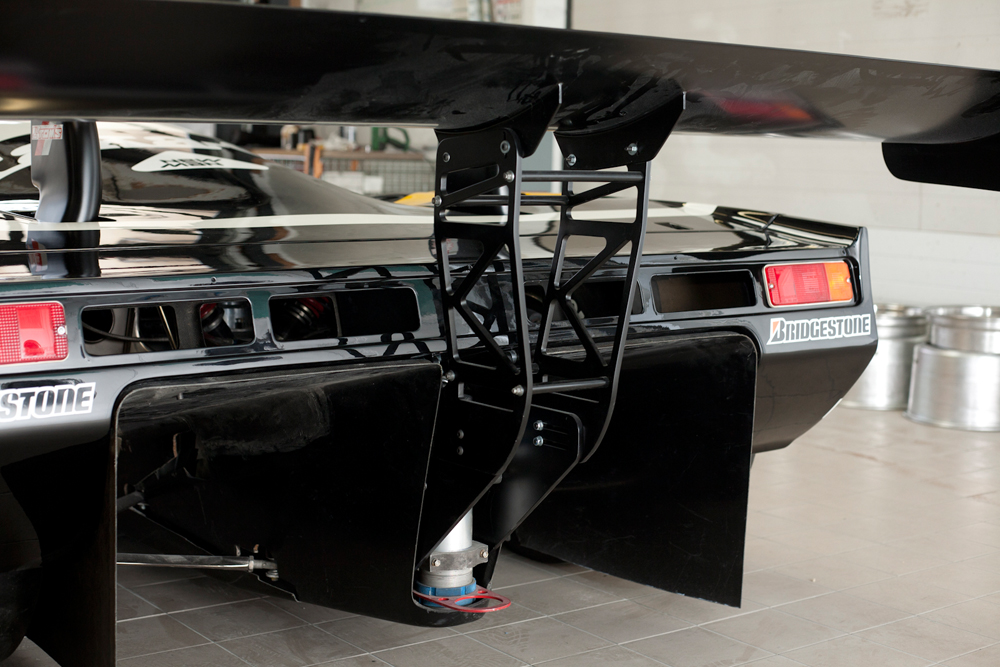
The 88C is a development of the 87C, so much so that it shares the same chassis numbering: this one is no. 87C-007. It was drawn by Hiro Fujimori at Dome, the constructor behind Toyota’s prototypes at the time. Aluminium and honeycomb monocoque, carbon composite bodywork, double wishbones at all four corners, a five-speed March gearbox, Bridgestone tyres and a quoted weight of around 760 kg.
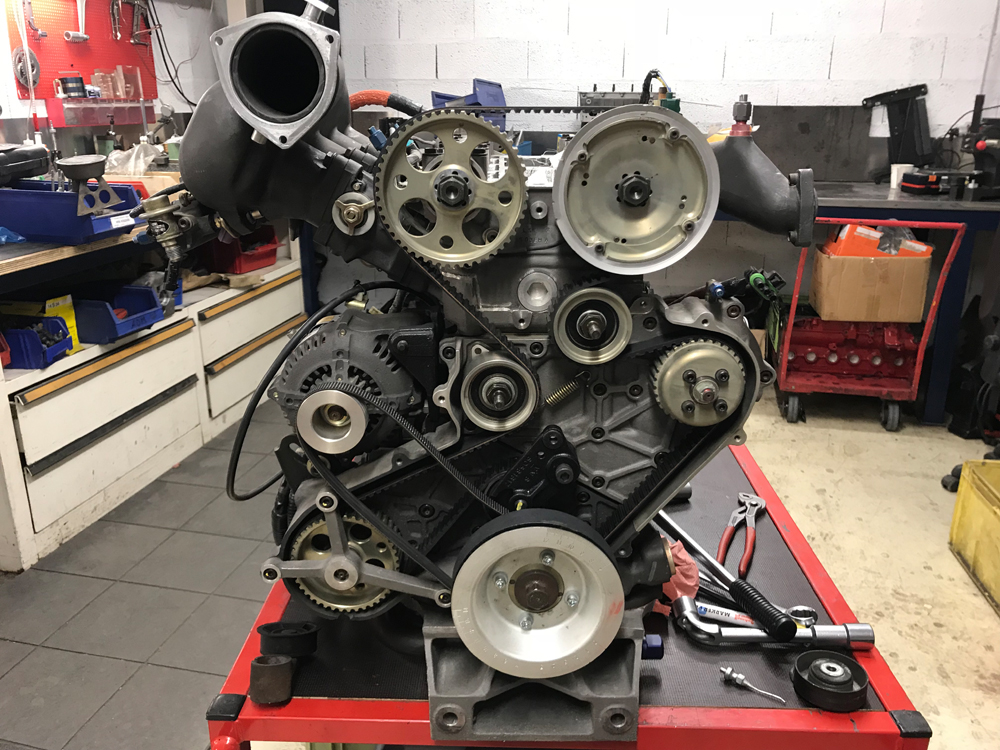
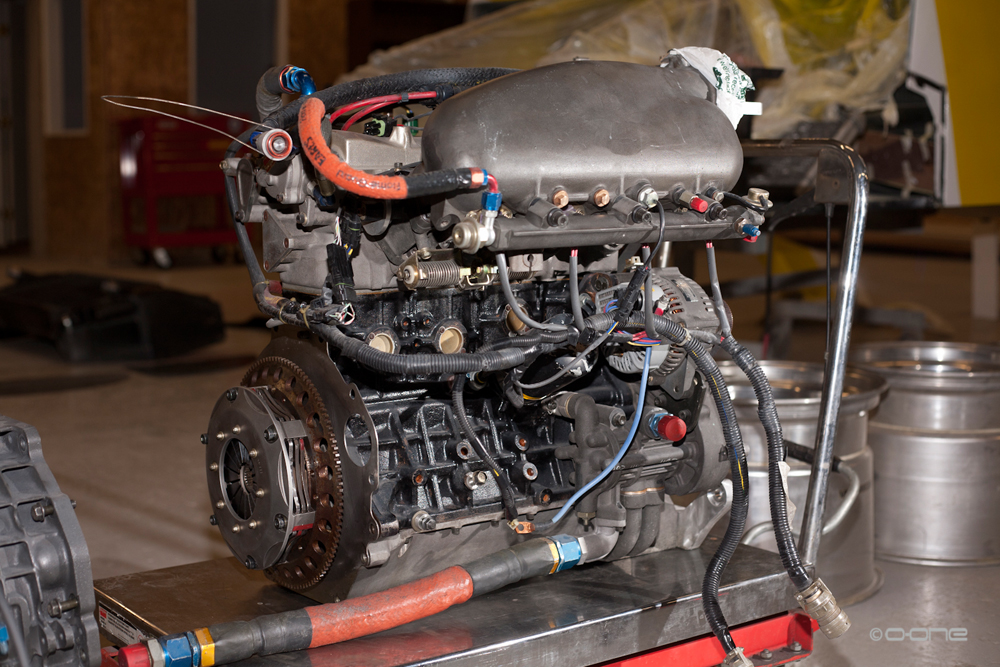
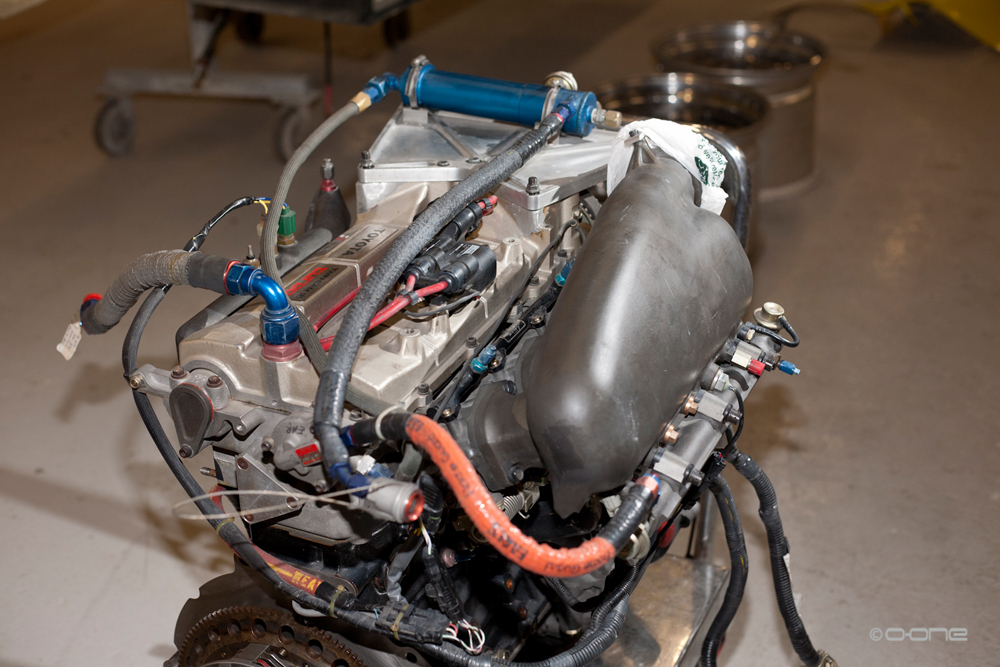
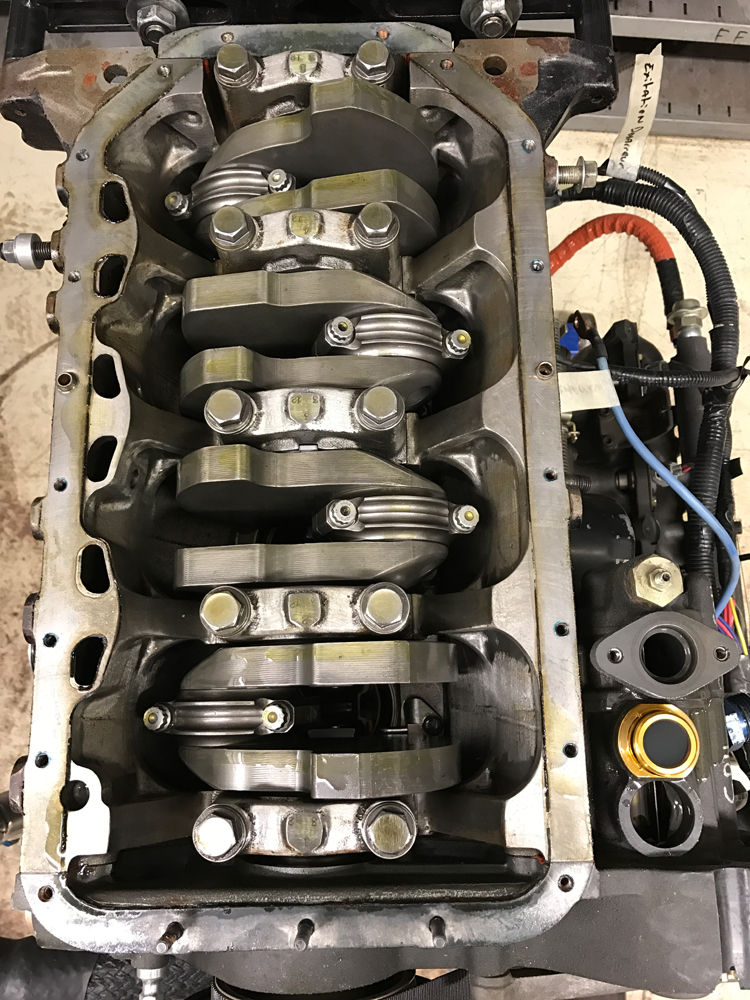
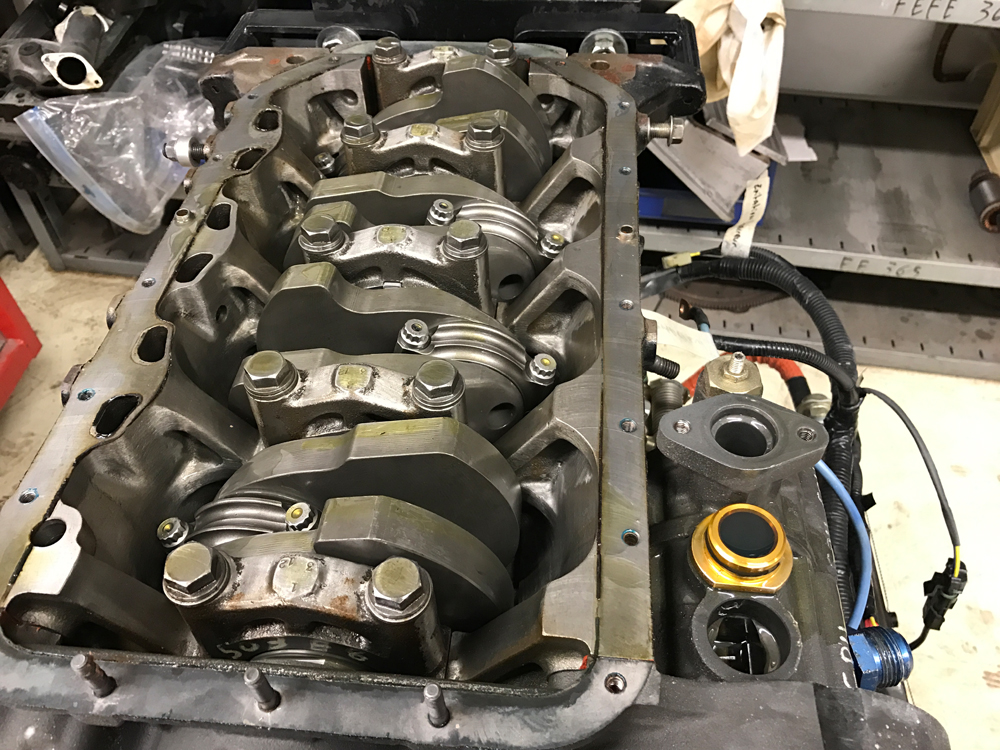
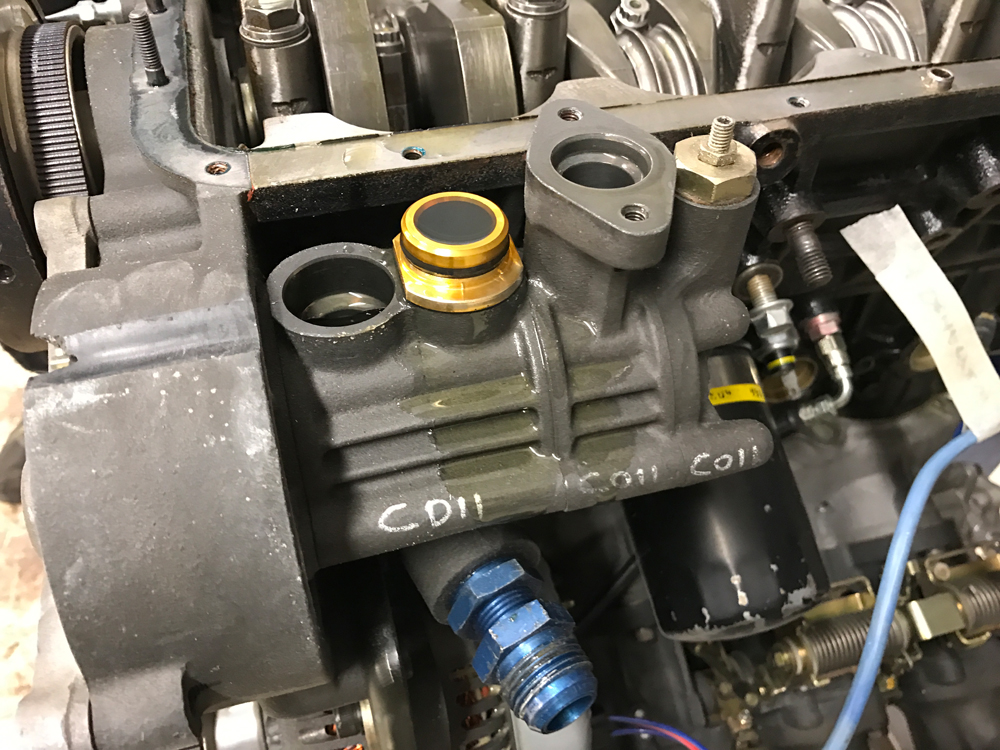
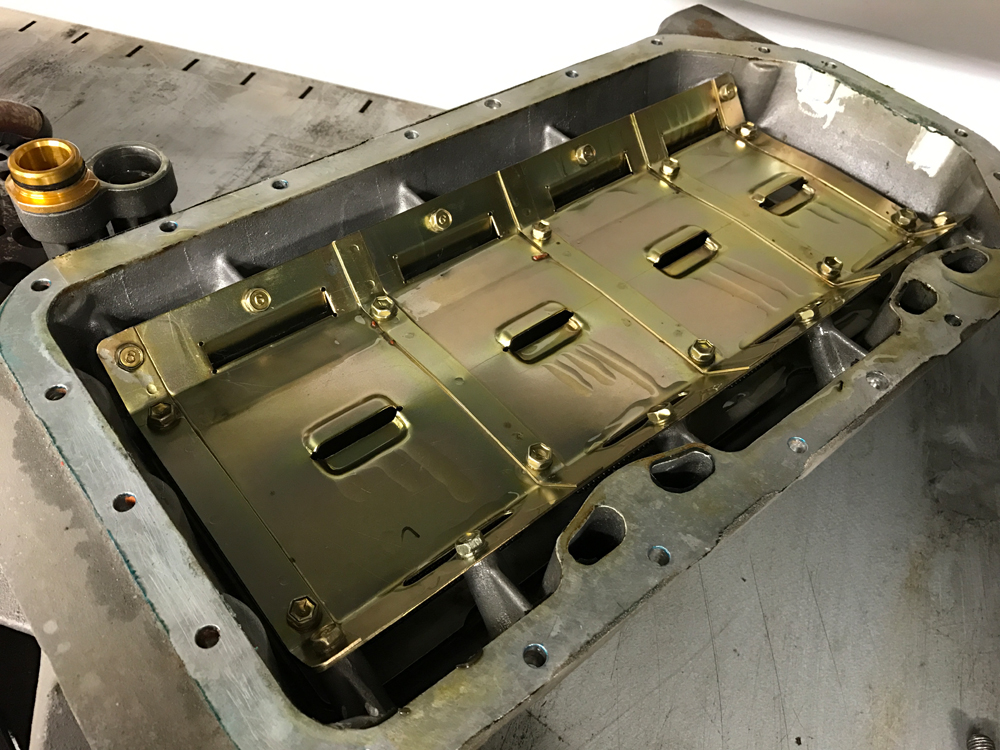
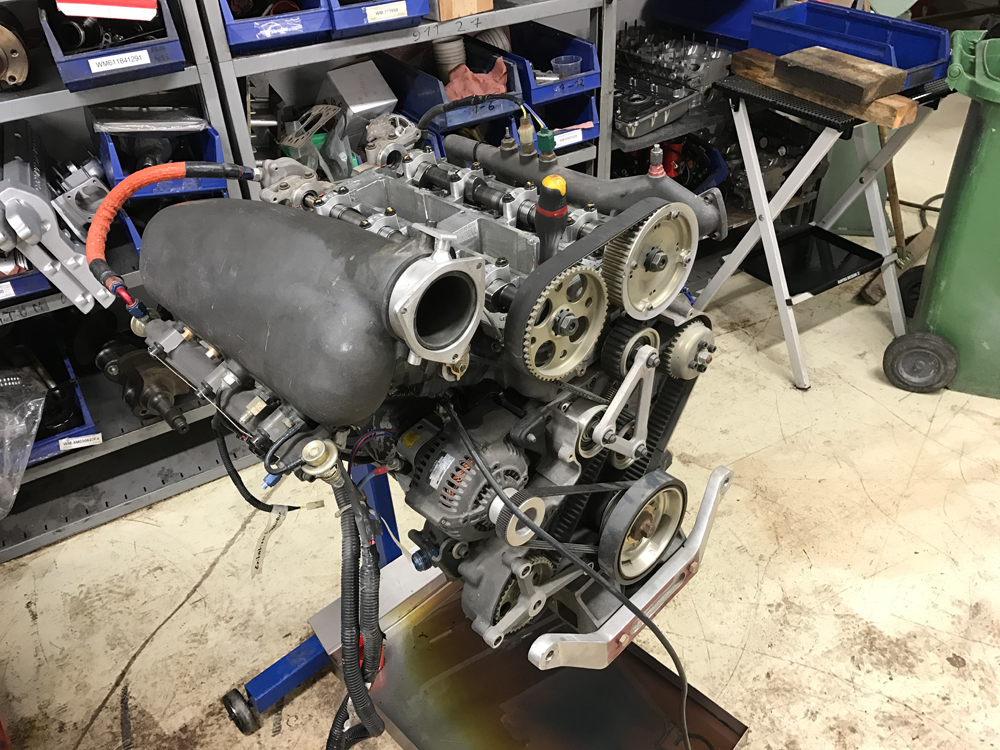
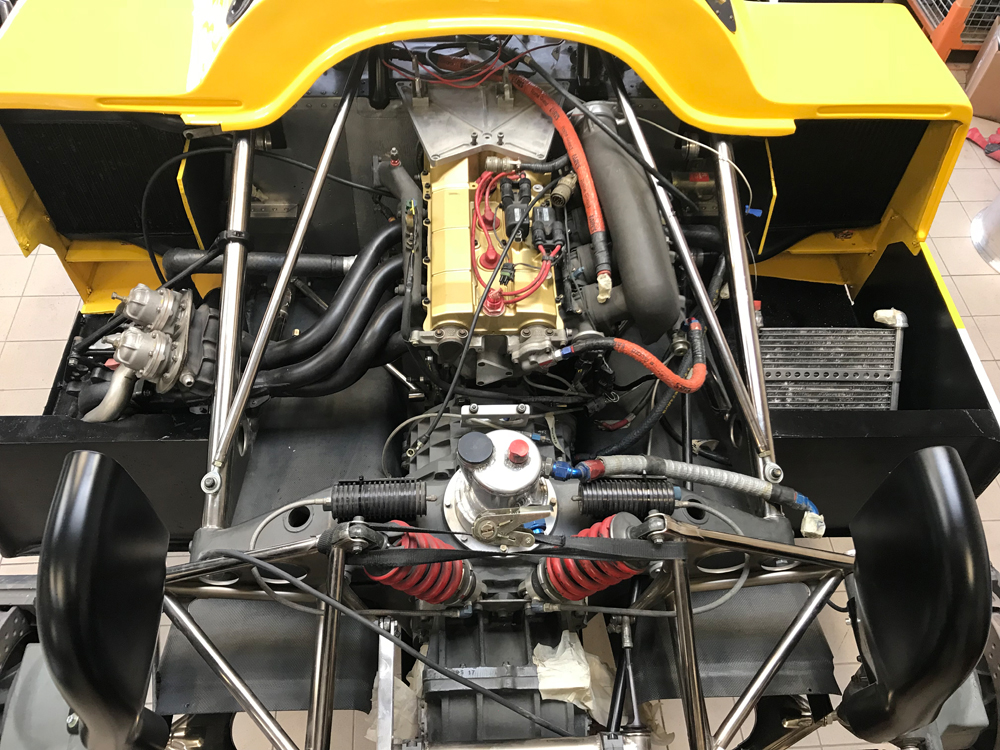
The engine is a Toyota 3S-GTM, an in-line four of 2,100 cc with forced induction, credited with some 650 bhp. The 3.2-litre unit Toyota had planned for the season was not ready in June, so both works cars started the 24 Hours of Le Mans with this 2.1-litre turbo.
Chassis 87C-007 raced the 1988 season in the hands of the works team: seventh in the Fuji 500 km, fifth in the Suzuka 500 km with Stefan Johansson, tenth in the Fuji 1000 km and fifth in the Suzuka 1000 km. At the 24 Hours of Le Mans, on 11 and 12 June, it carried the no. 37 of Toyota Team TOM’S with Paolo Barilla, Tiff Needell and Hitoshi Ogawa: qualified tenth, it was classified 24th after 283 laps despite two excursions. The following year the car went to the United States, to Dan Gurney’s All American Racers, for a full IMSA GTP season with Juan Manuel Fangio II and Drake Olson — Daytona, Sebring, Mid-Ohio, Road America, two pole positions and several podiums. Then it stopped, and spent years in a Californian workshop.
Archives
No. 37 in 1988
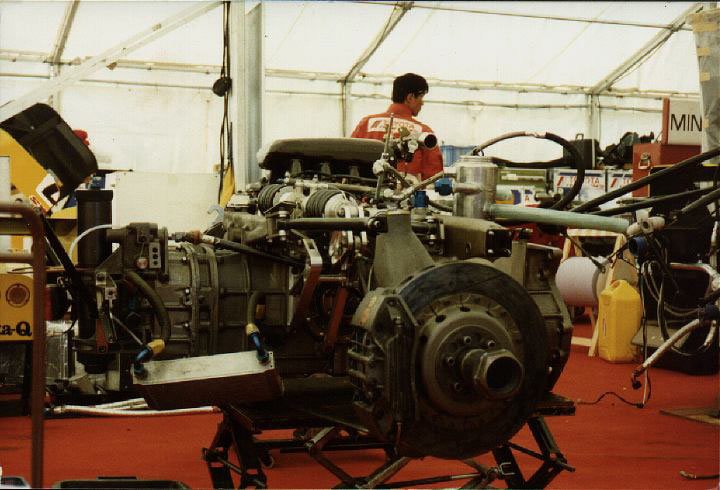
Five period photographs found during the research carried out to recreate the livery: two at the 24 Hours of Le Mans, three in Japanese paddocks.
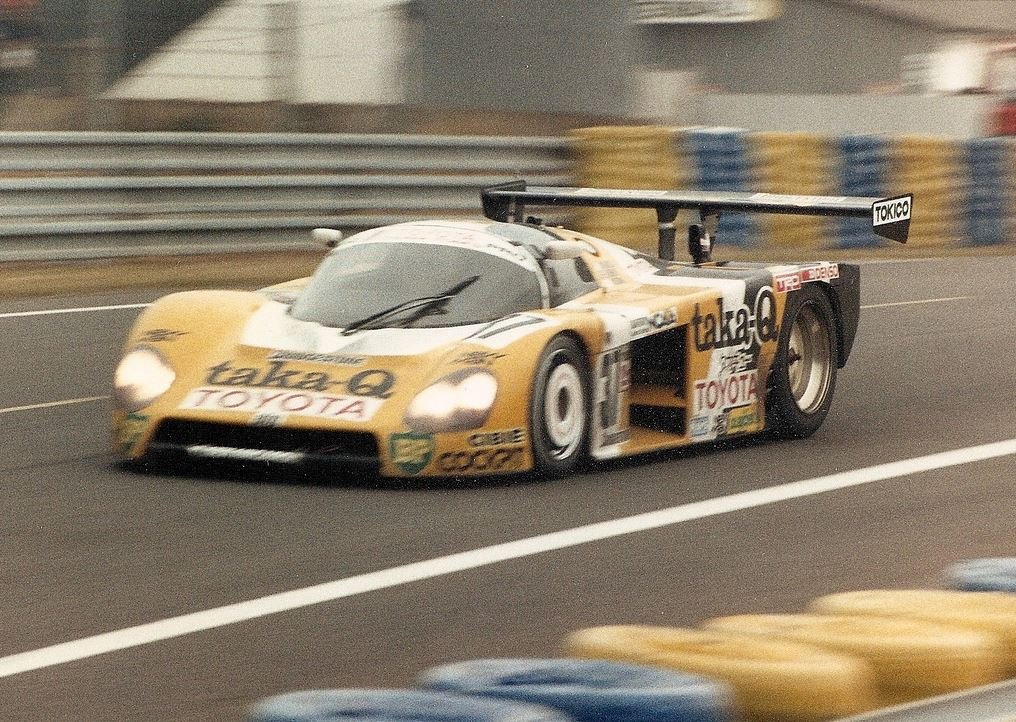
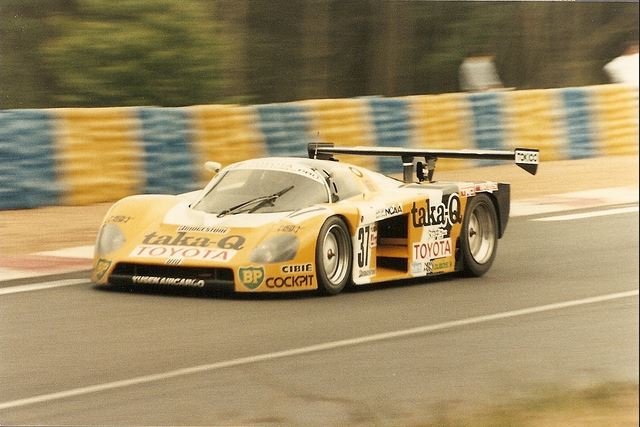
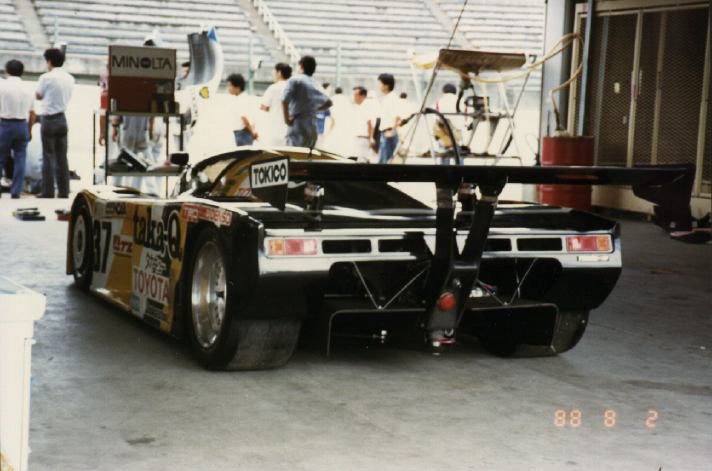
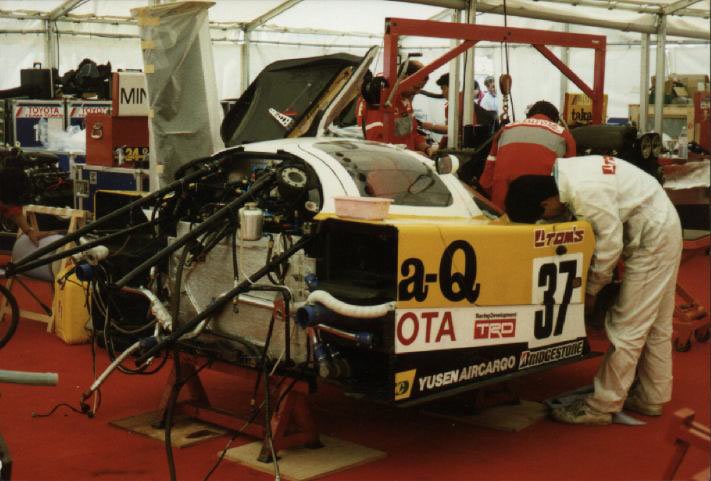
The O-ONE project
Giving no. 37 back its 1988 Le Mans livery
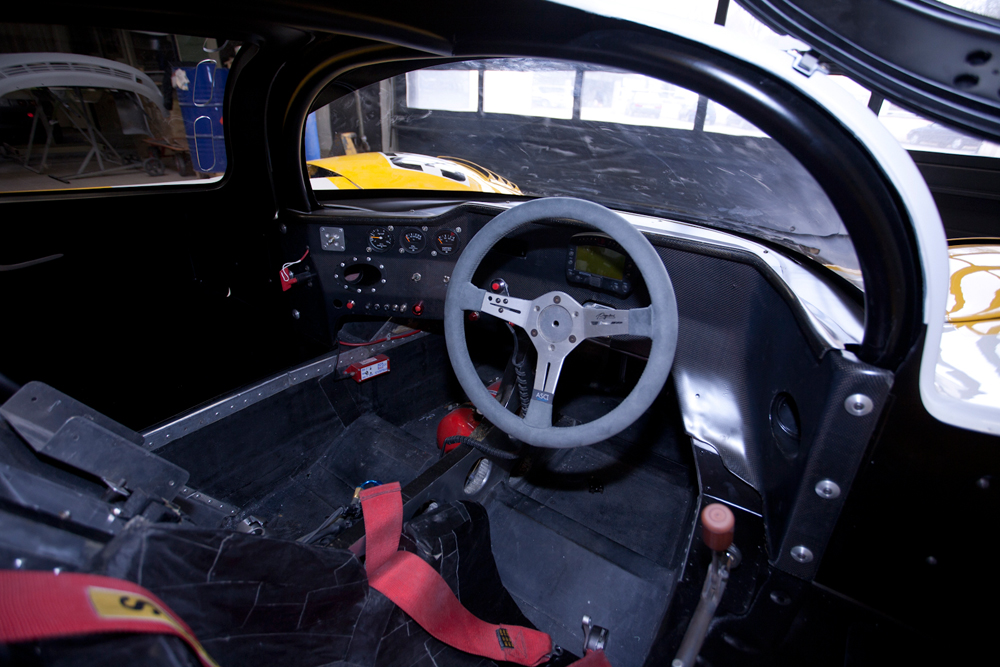
The car reached us exactly as it had been found: abandoned, and unused for a very long time. The owner’s brief was precise — above all he wanted his car’s historic livery back, not to drive it.
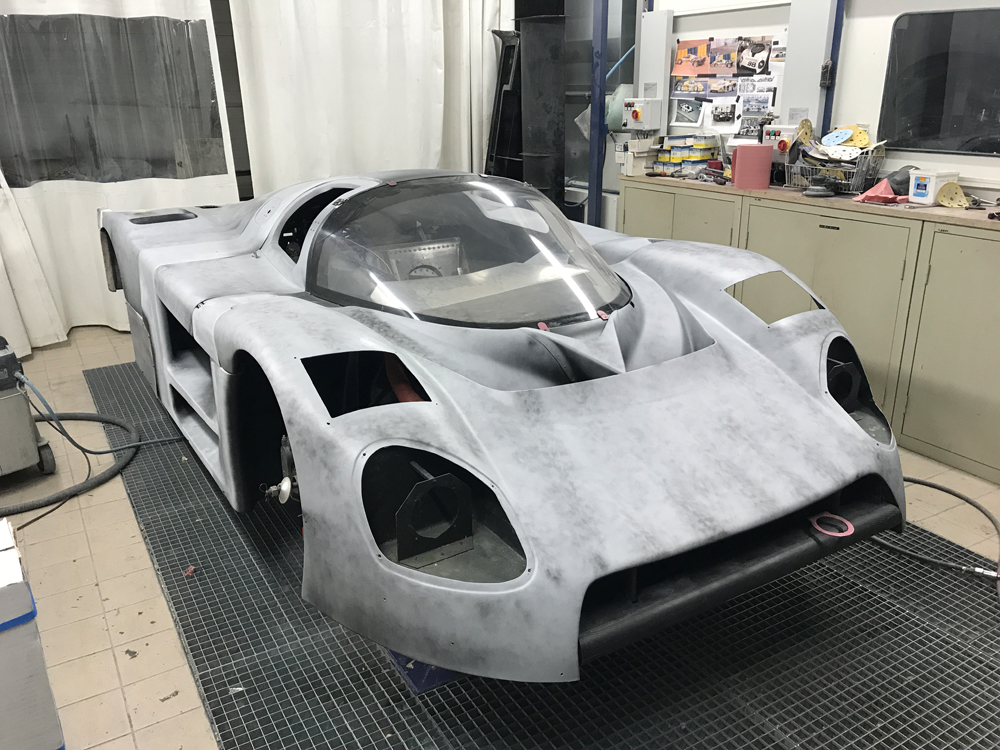
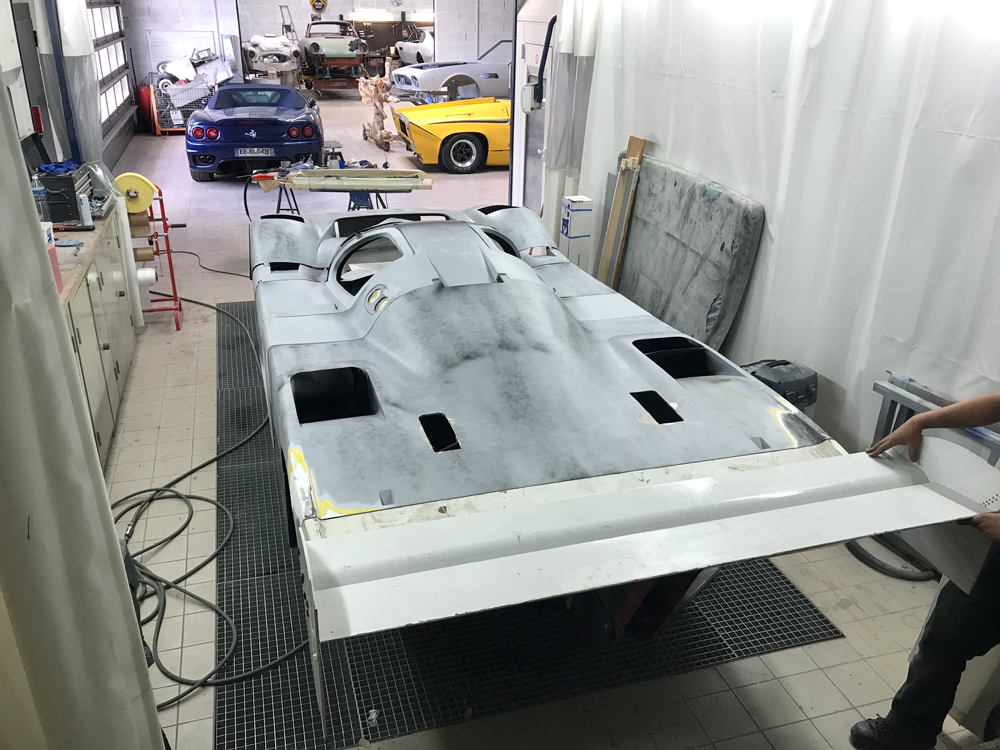
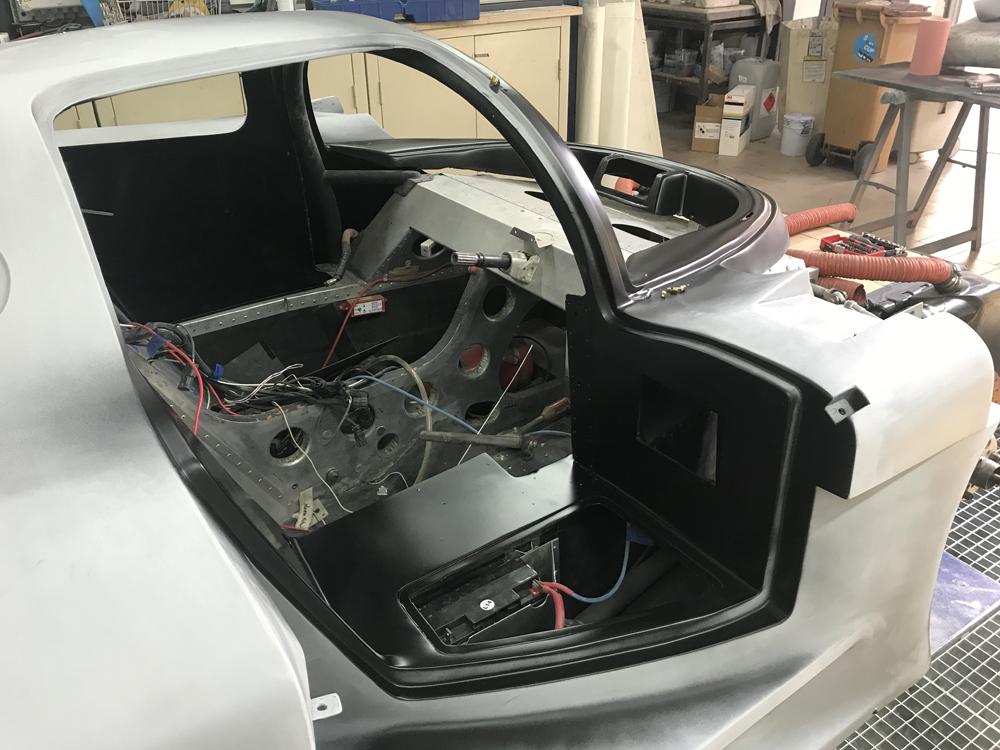
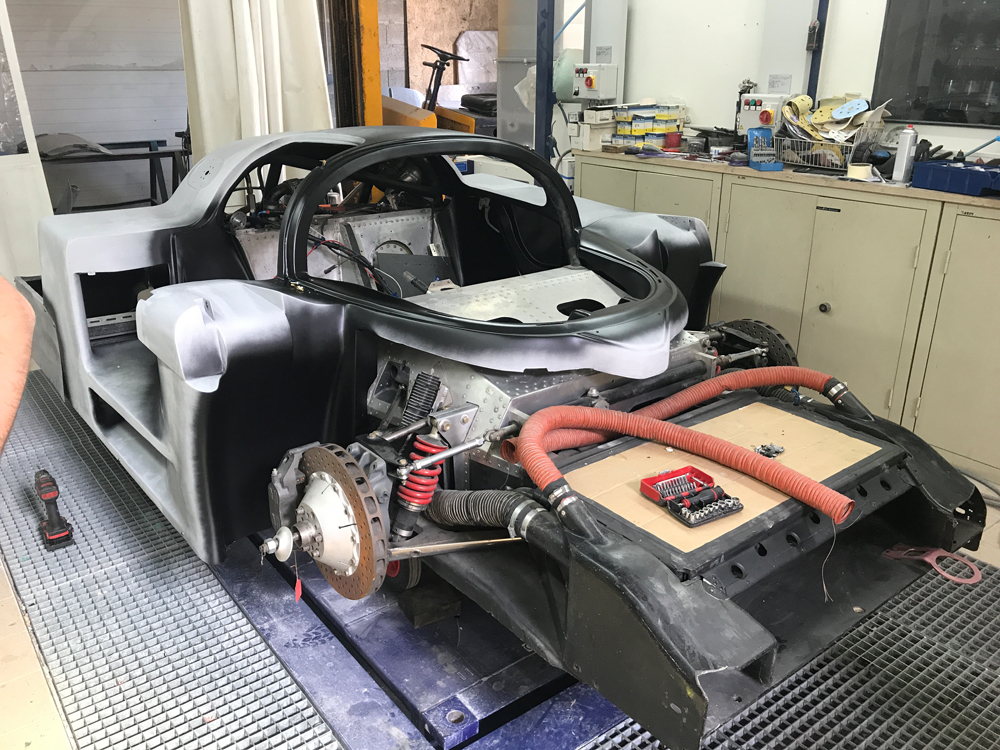
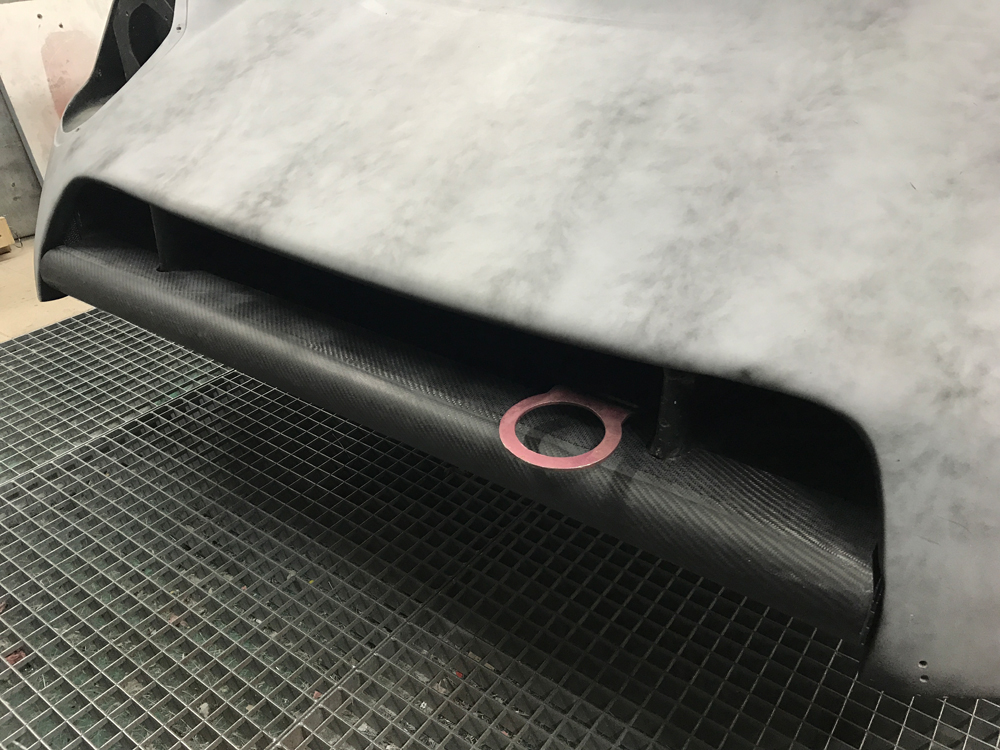
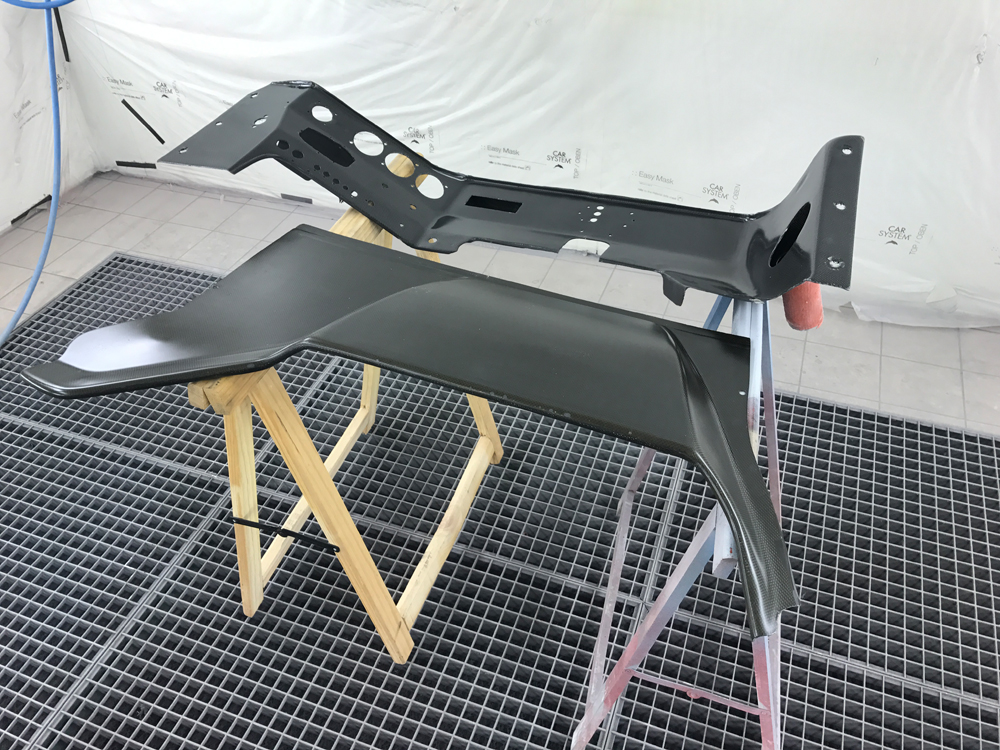
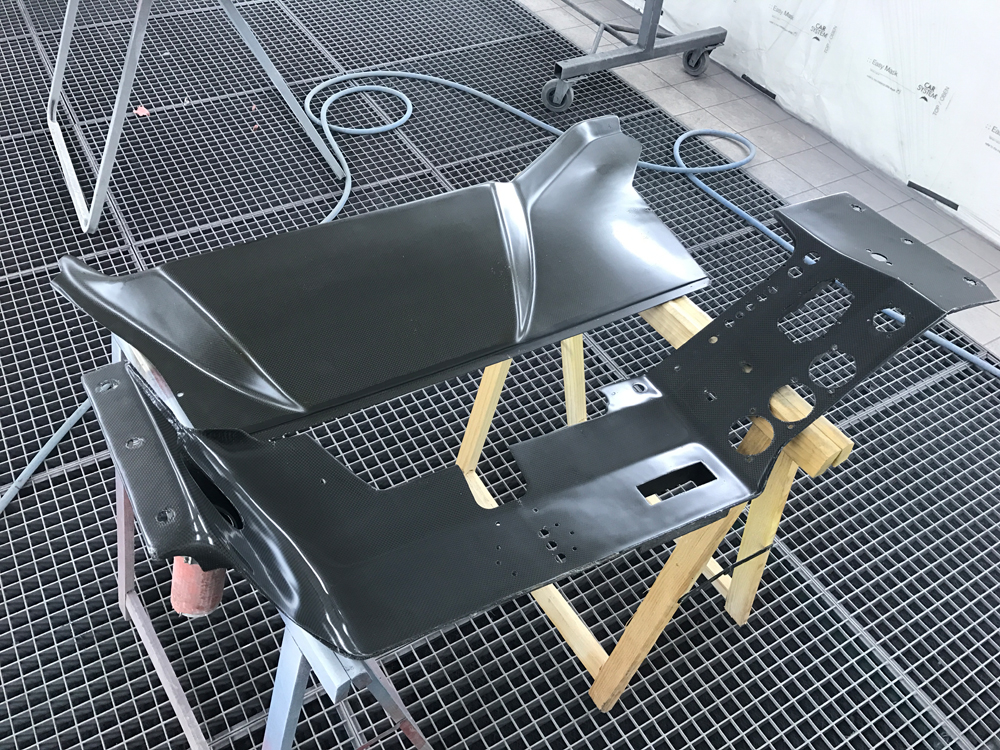
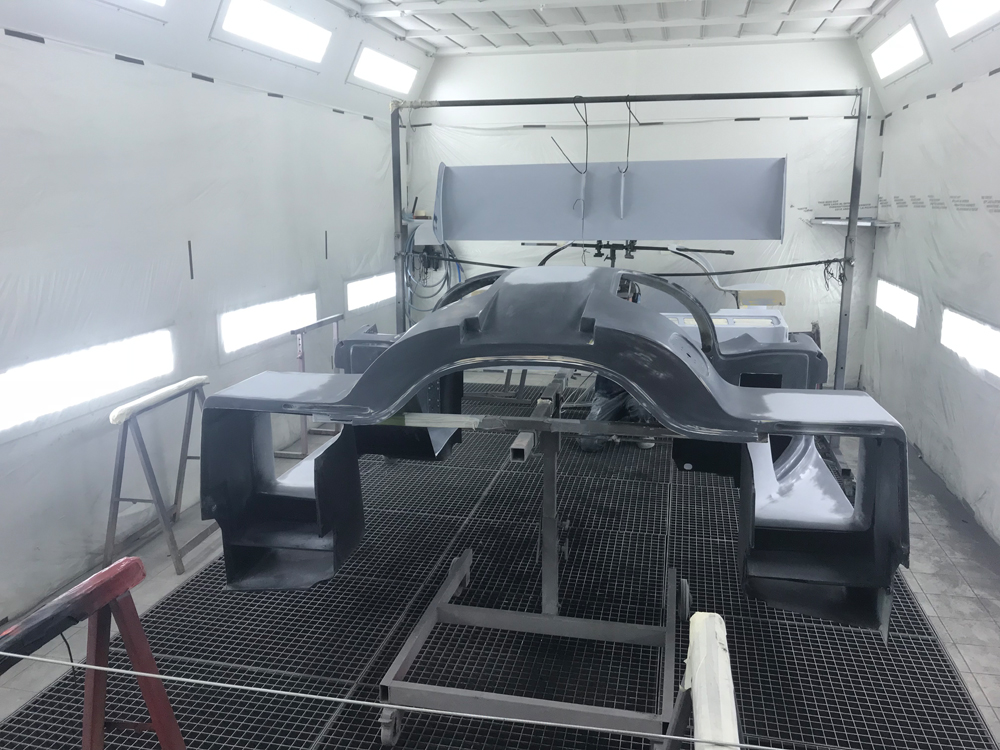
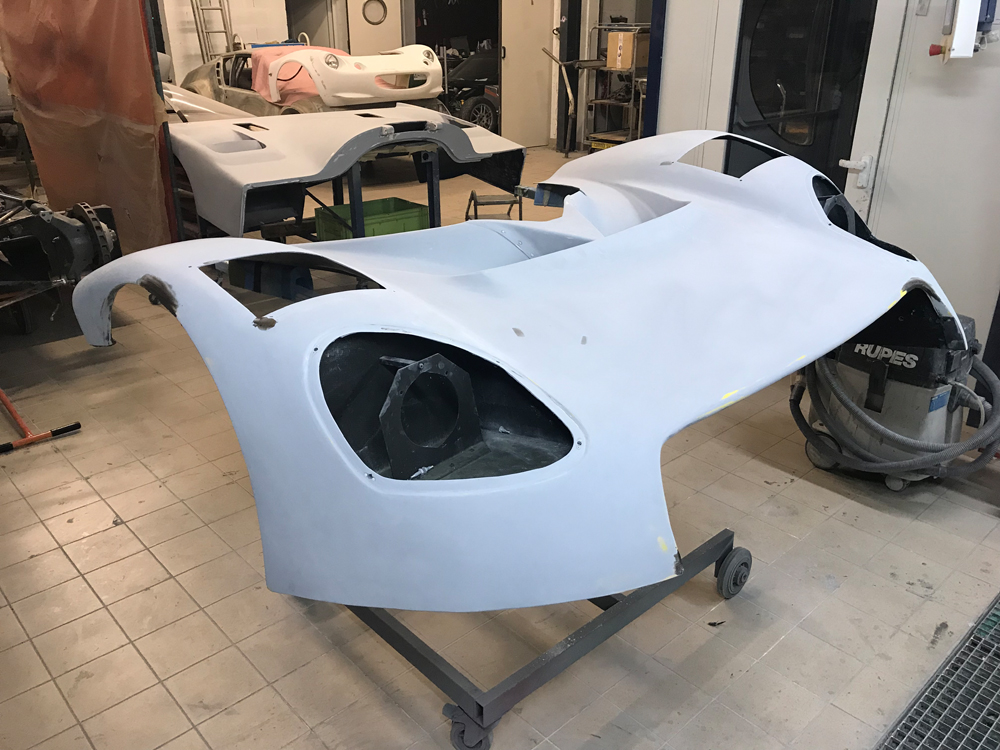
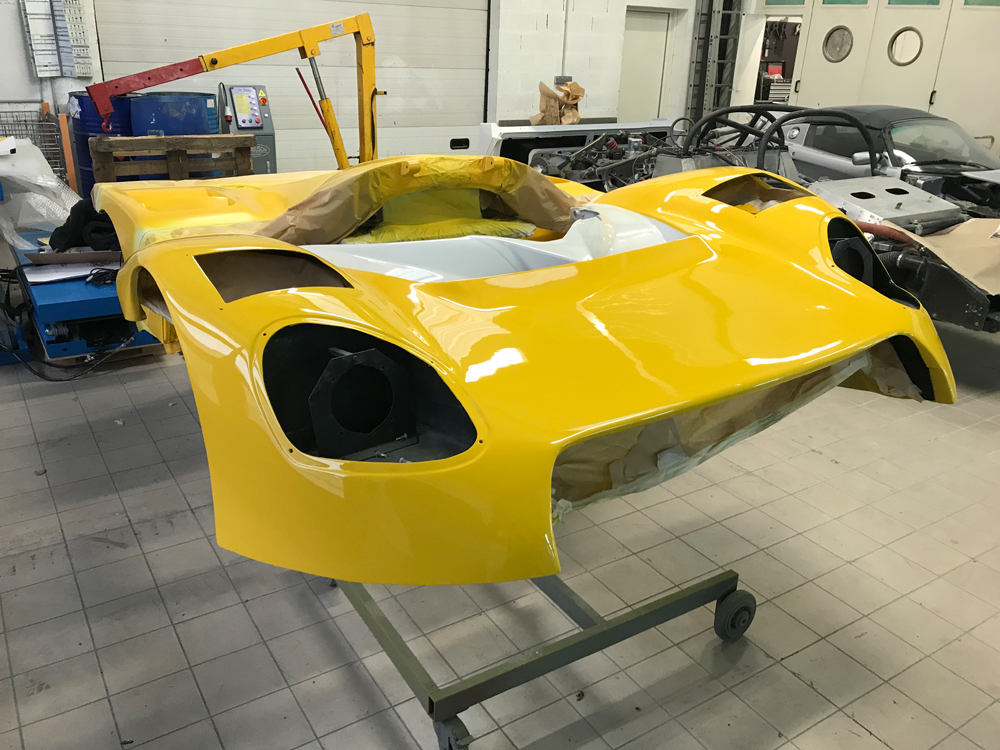
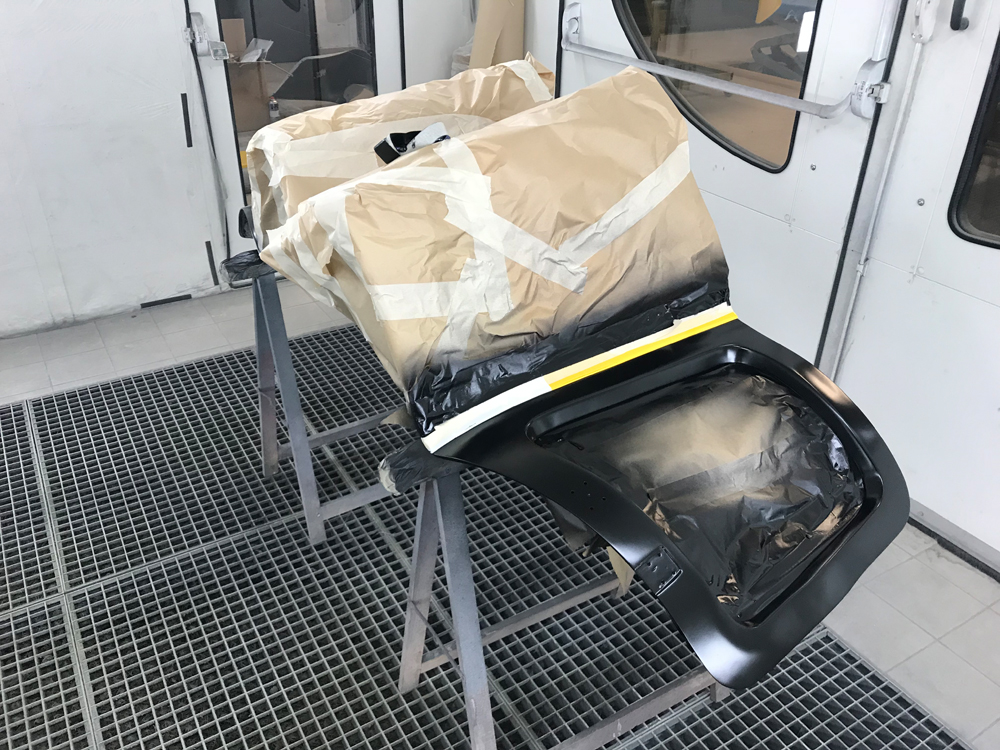
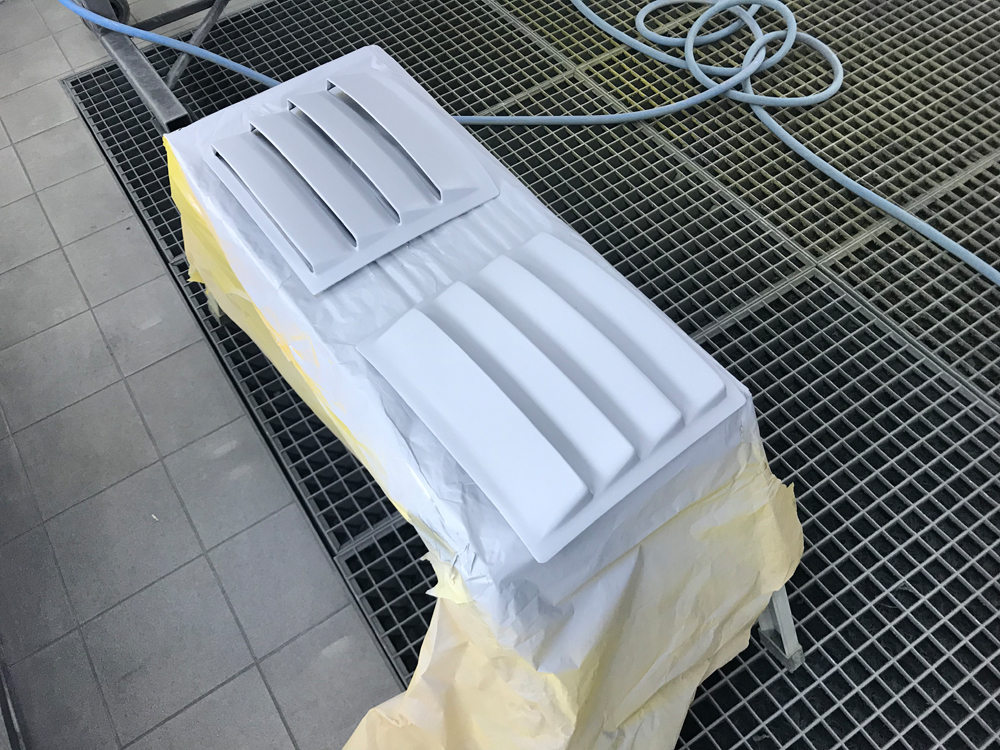
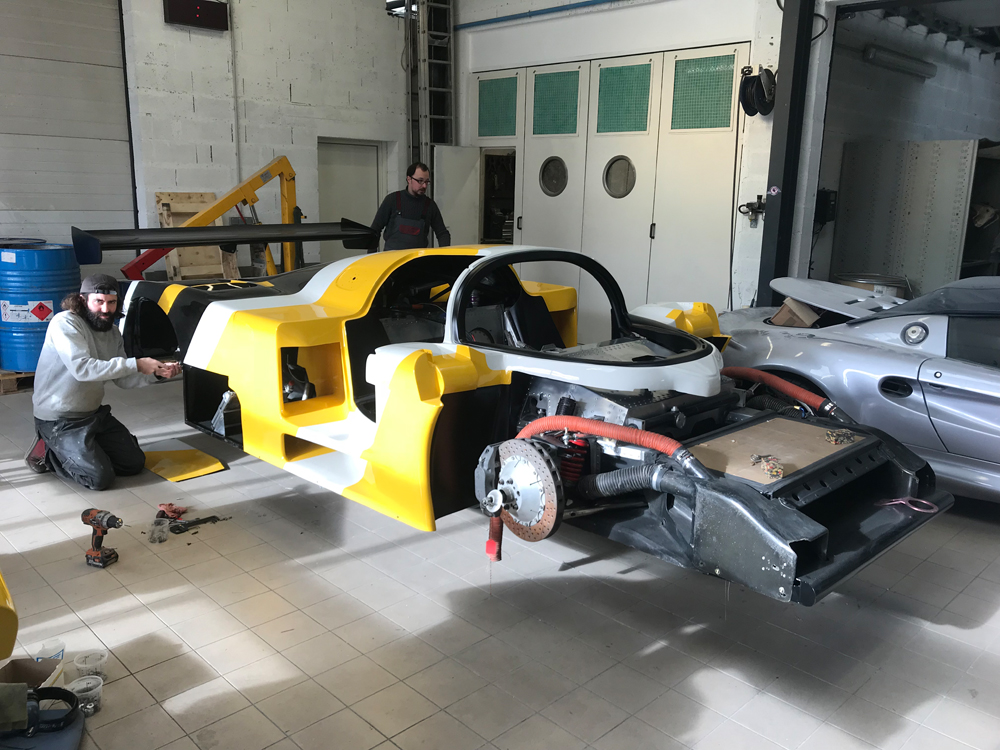
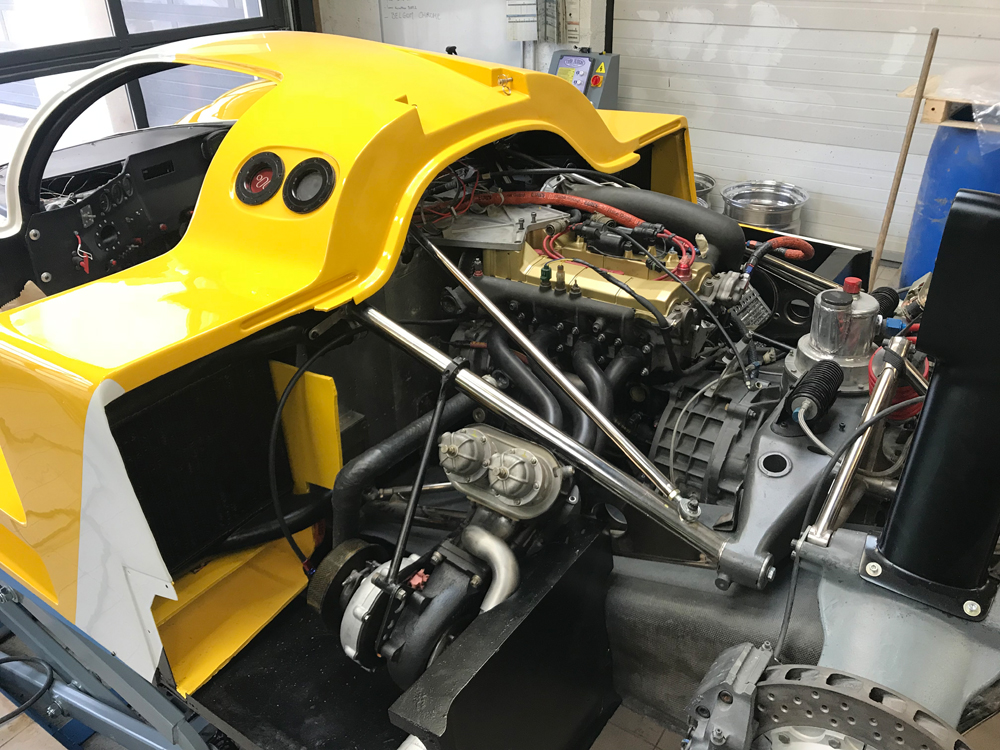
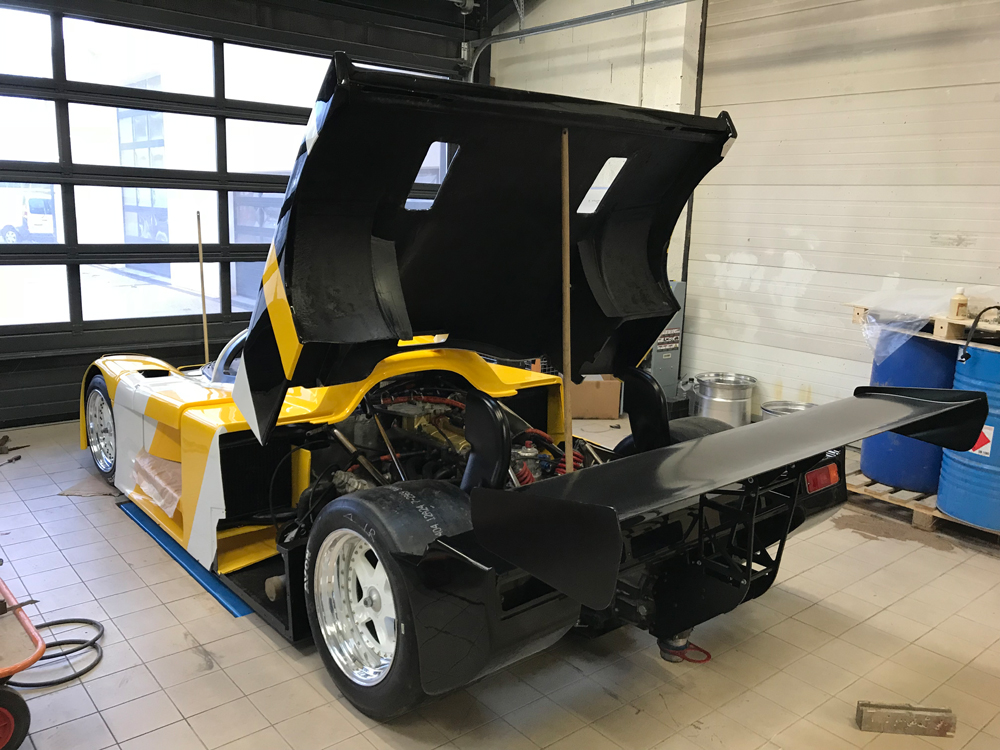
The work therefore covered the bodywork and the complete reassembly of the car: stripping down, cleaning, repairing several body panels, fitting, sanding and surface preparation, colour matching, then painting.
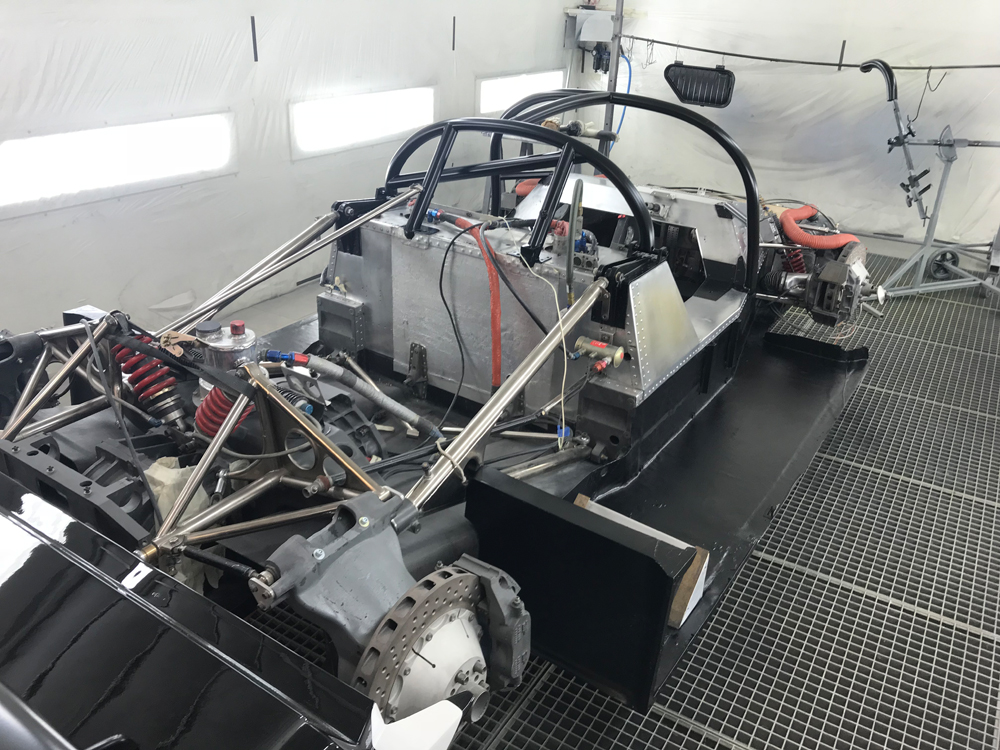
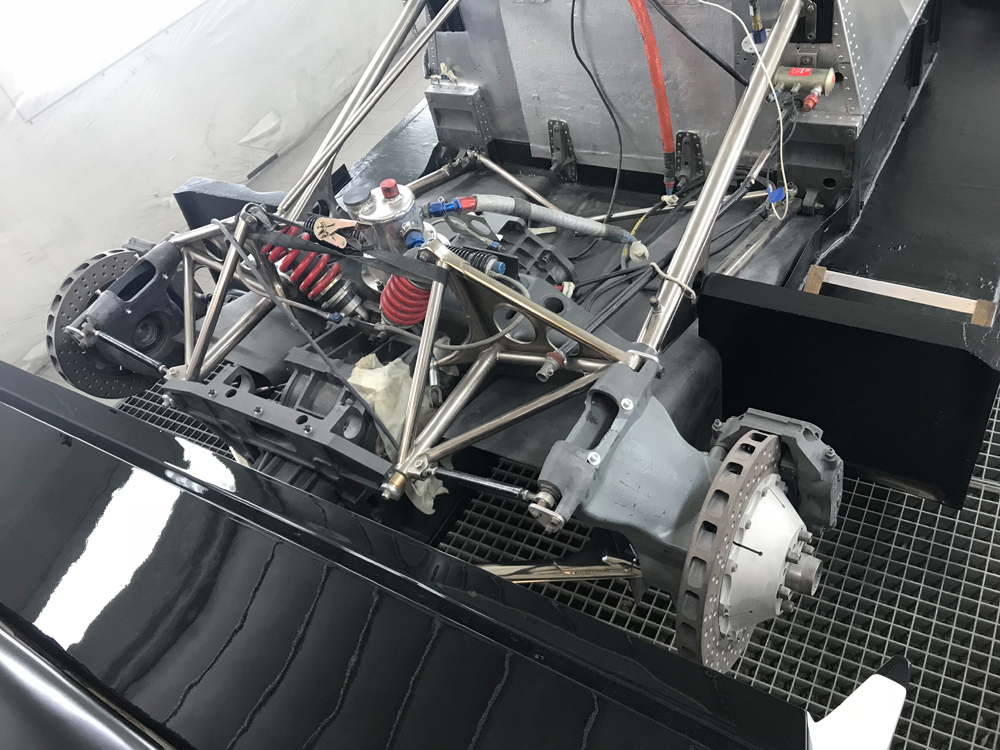
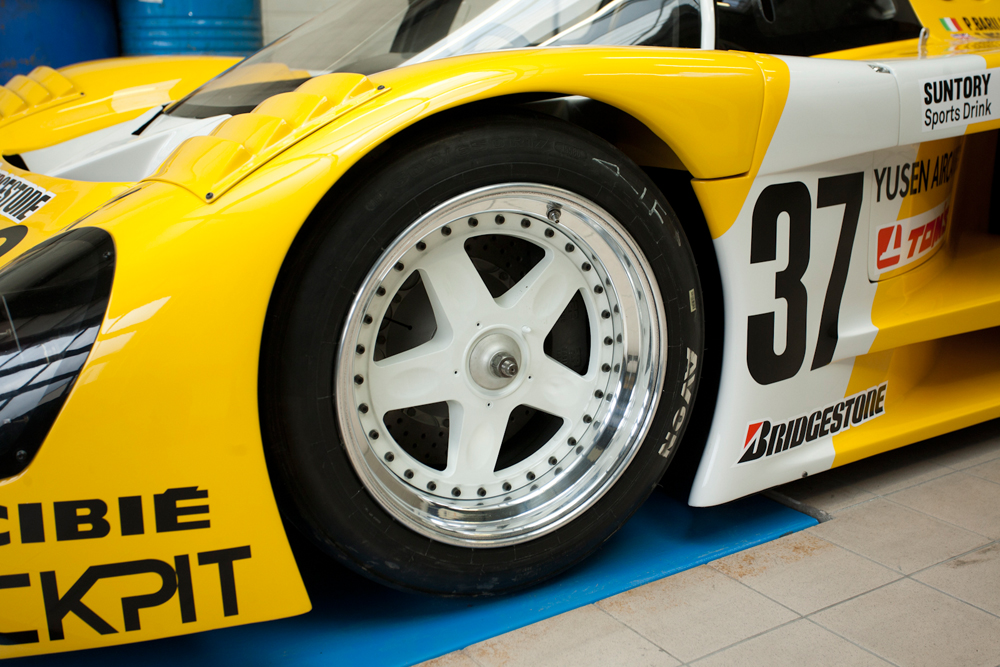
The livery called for a full graphic study: establishing the exact Taka-Q scheme worn by no. 37, redrawing every decal from period documents and recreating the 24 Hours of Le Mans markings, down to the ACO’s C1 scrutineering roundel. The mechanical components were refitted so that the car would be complete and coherent: the mechanicals were not rebuilt and the car was not prepared to run, which was not part of the brief.
« The aim was to put this car back together completely — it had been found abandoned, and had not run for a very long time. »
Le chantier
La restauration en six actes
Six stages, from stripping the bodywork to the last decal of the 1988 Le Mans livery.
Acte 01
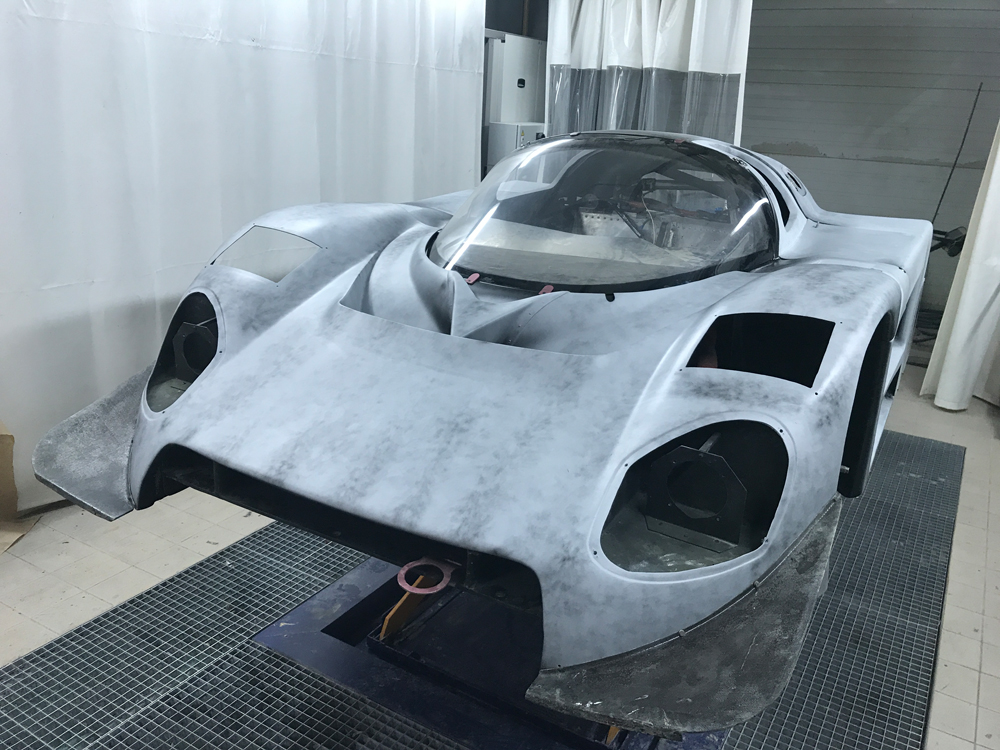
Stripping down
The car is dismantled and the bodywork taken back to bare material. Every part is marked, cleaned and checked before any work begins.
Acte 02
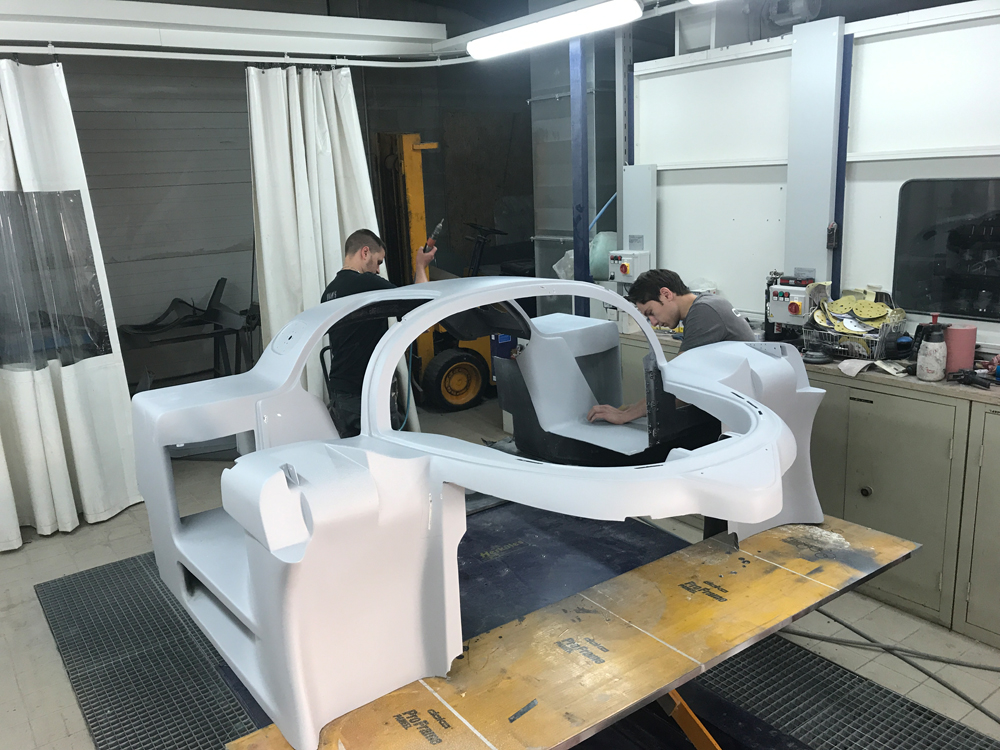
Repairing the body panels
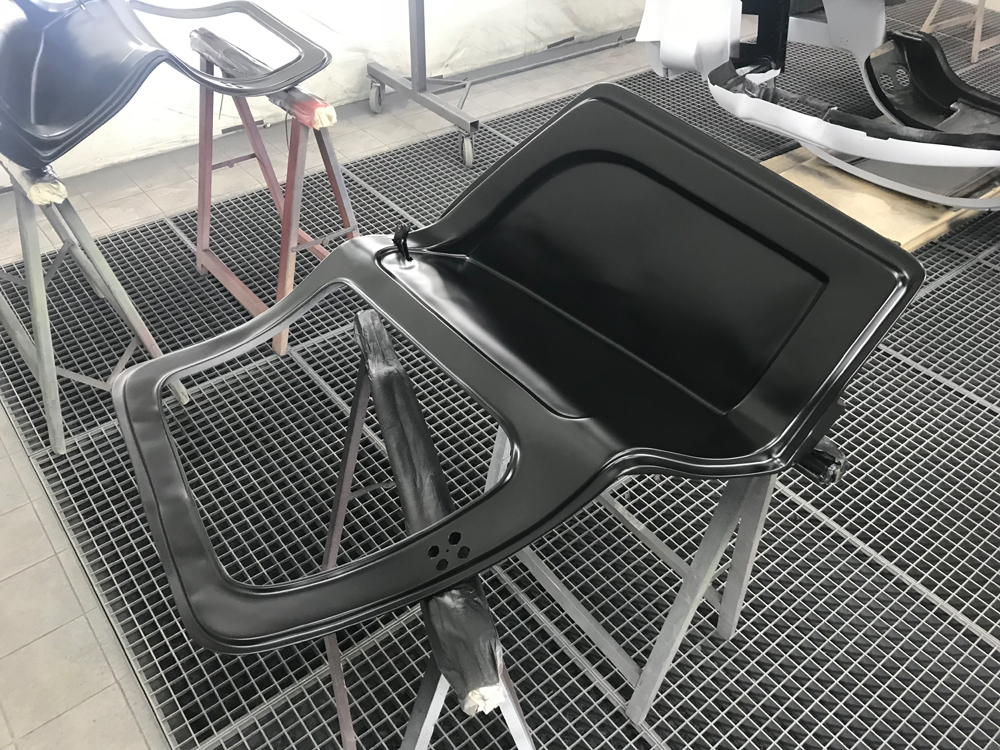
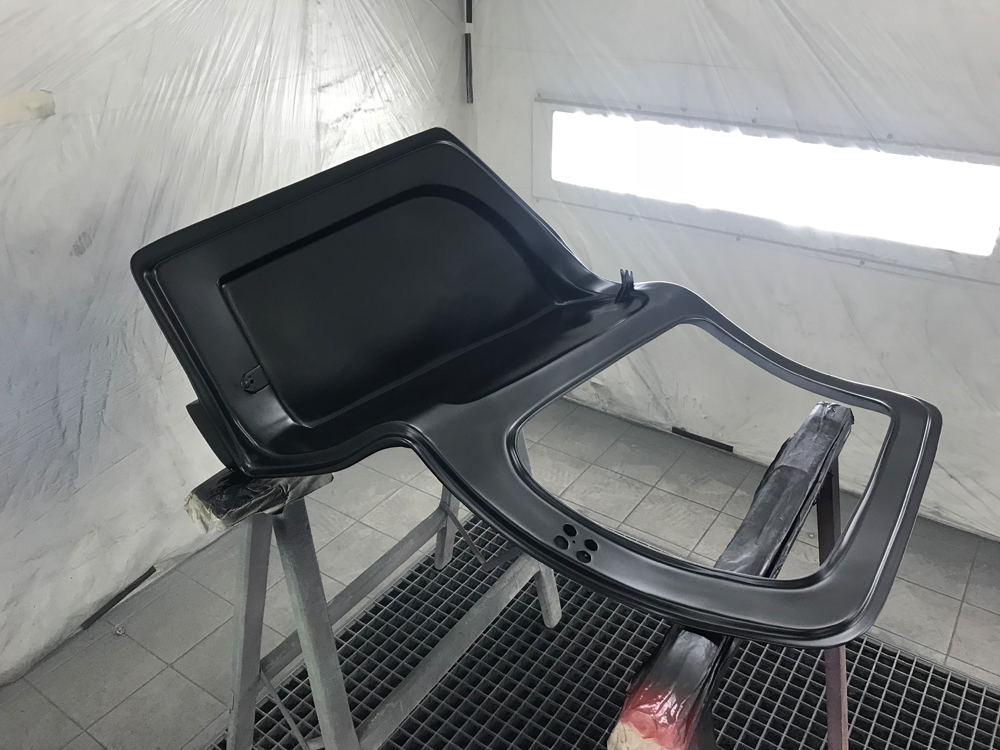
Damaged panels are repaired or remade, one at a time, before being offered up to the car.
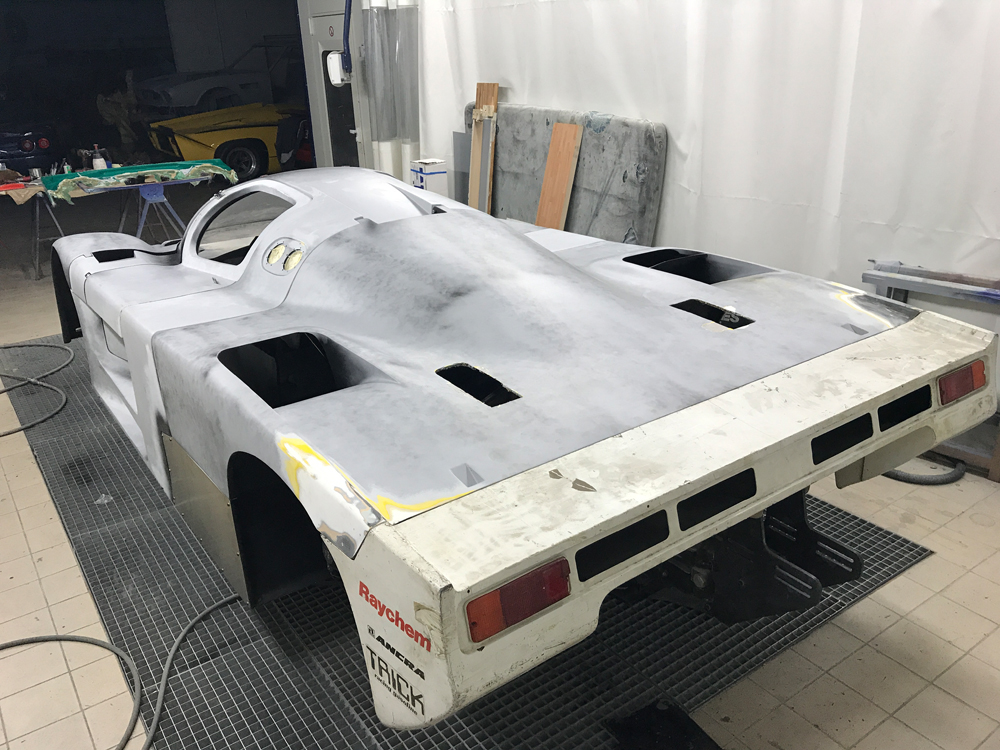
Acte 03
Fitting and preparation
Panels are fitted to the car, then sanded and prepared until the gaps are even and the lines true.
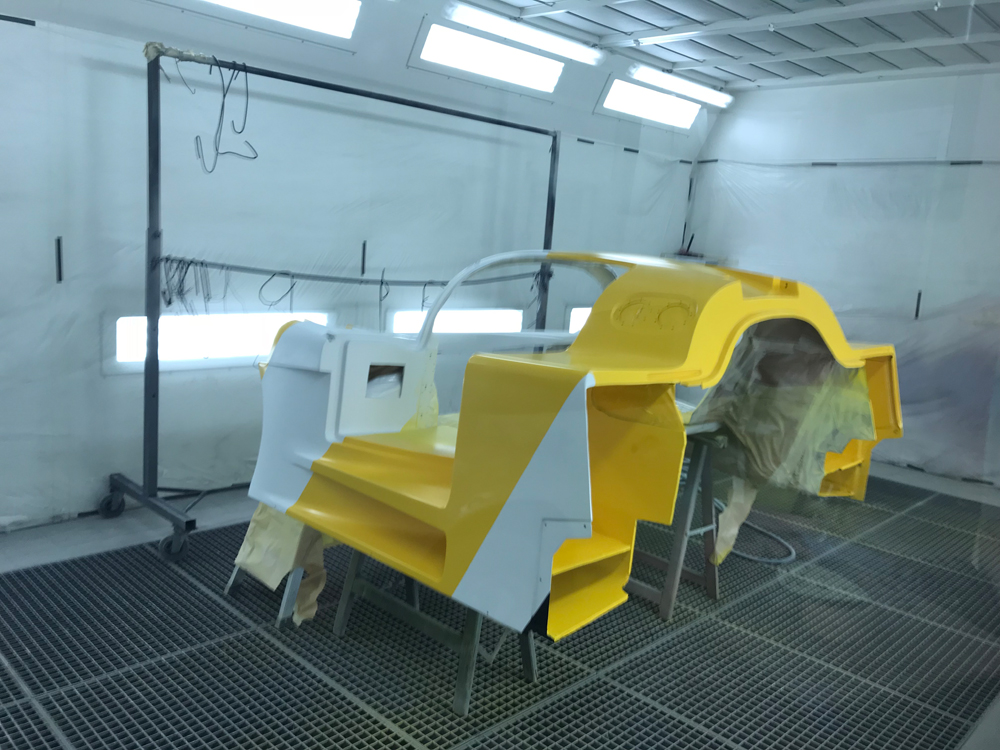
Acte 04
Colour matching and paint
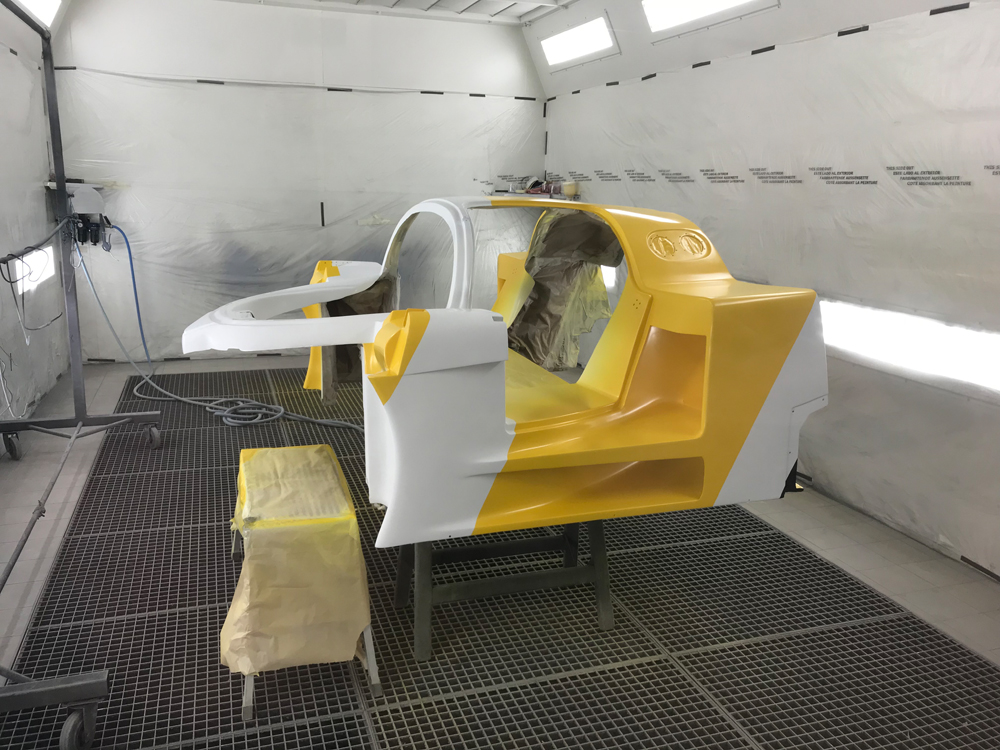
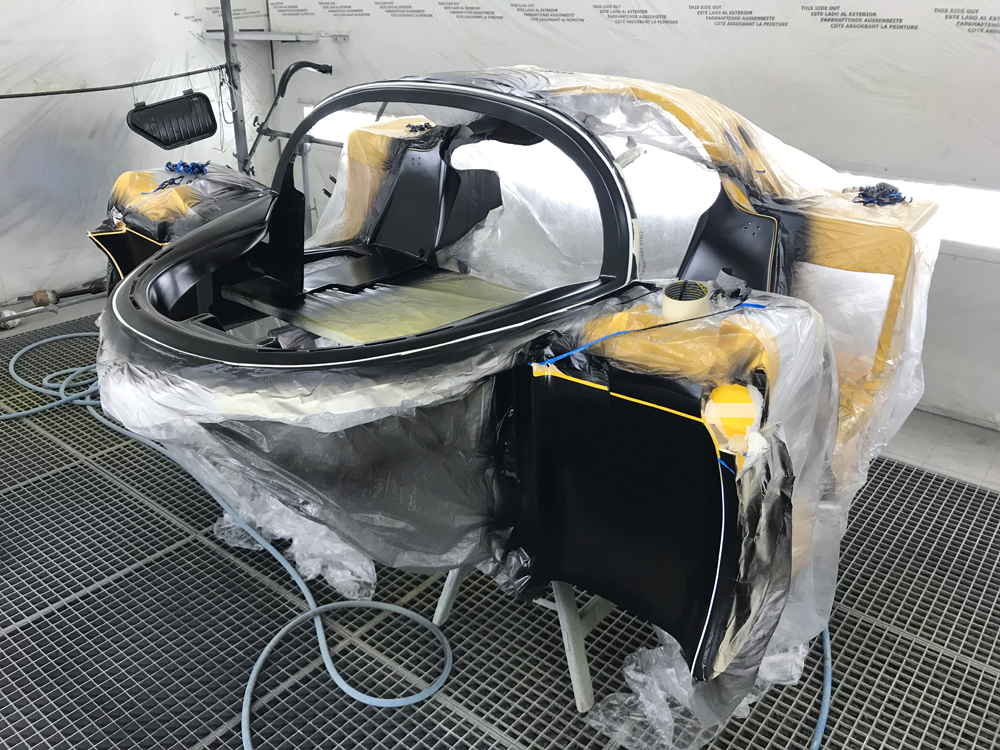
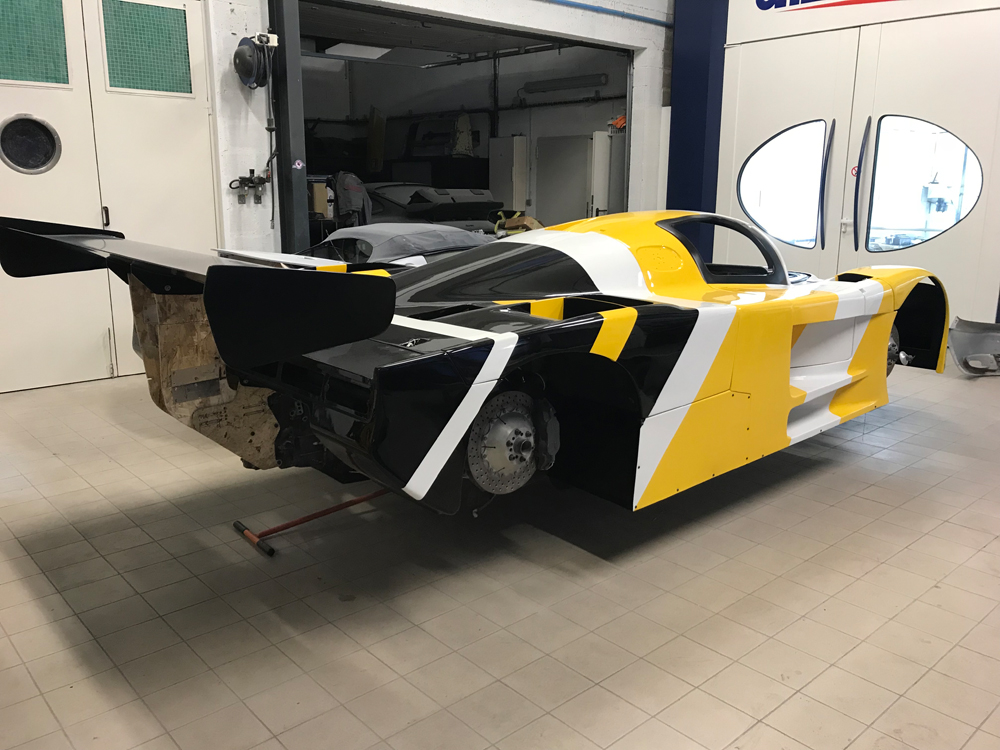
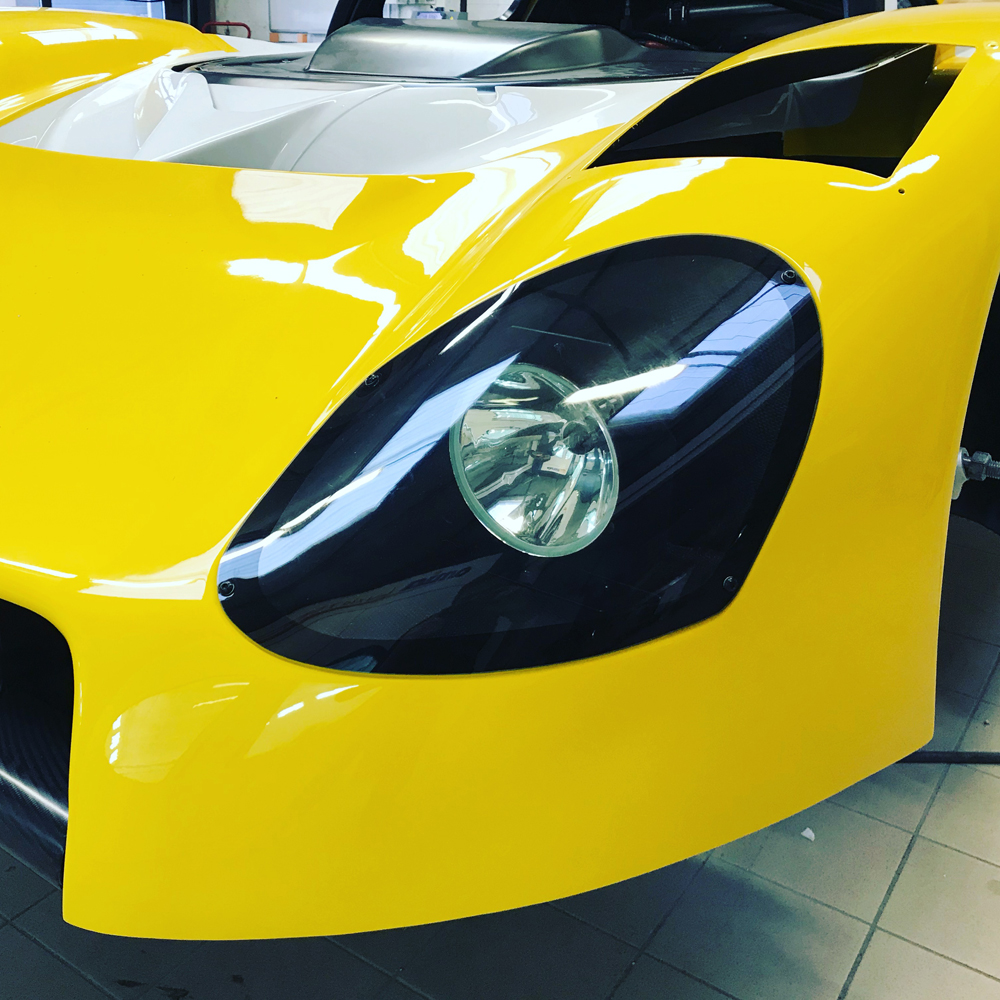
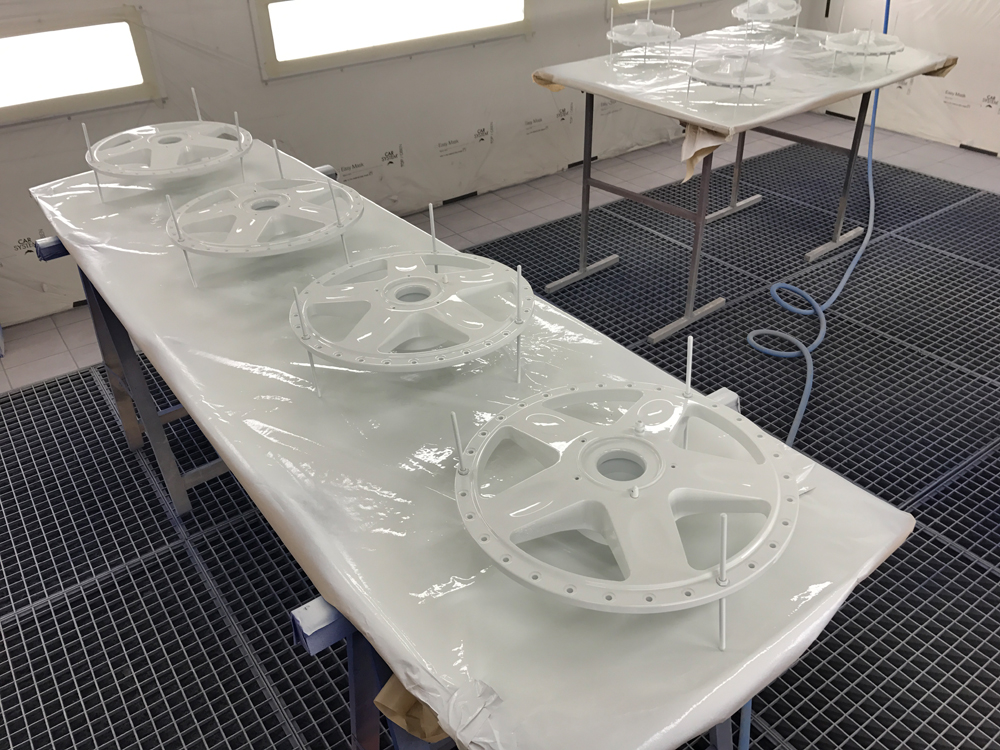
The period colours are matched, then sprayed in the booth: the yellow, white and black of the Taka-Q livery.
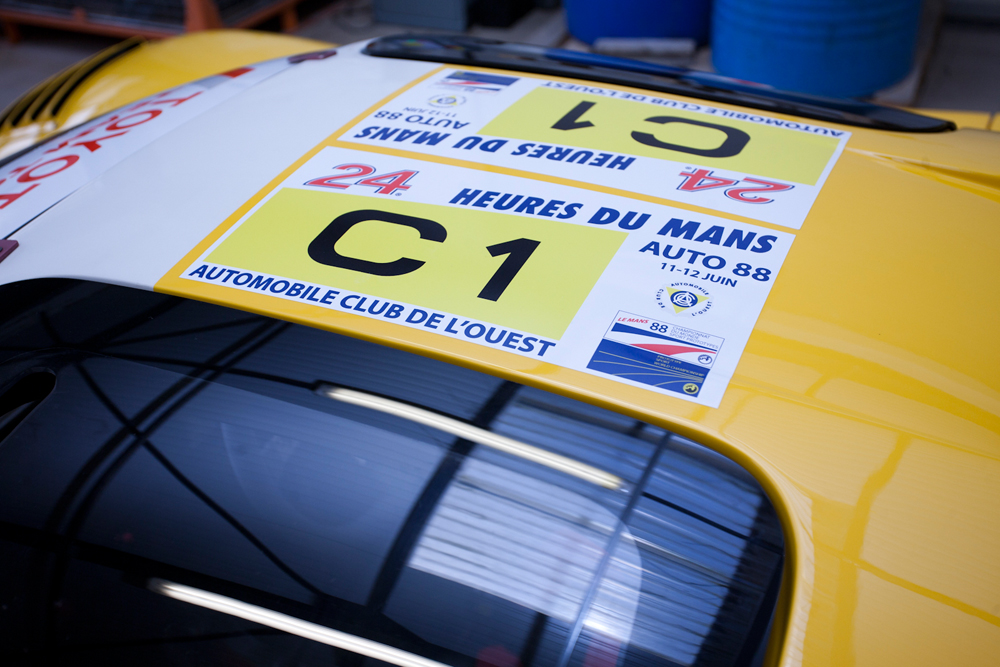
Acte 05
The Le Mans livery
Every decal is redrawn from period documents, down to the C1 scrutineering roundel of the Automobile Club de l’Ouest.
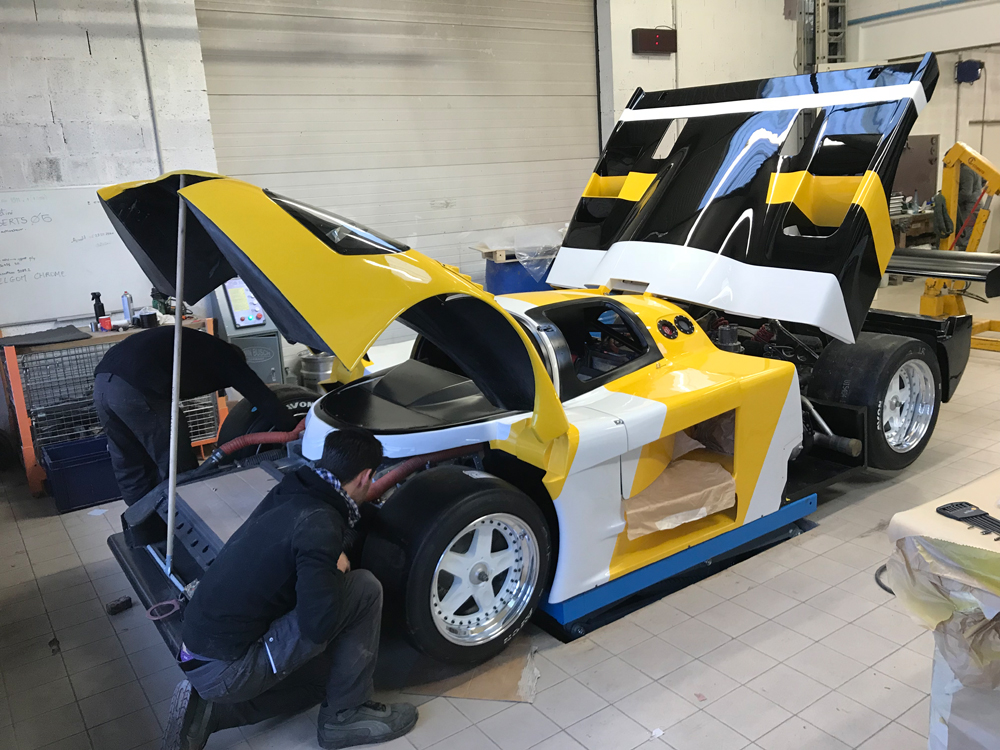
Acte 06
Complete reassembly
The car is fully reassembled, bodywork and mechanical components refitted, to become again the car of 12 June 1988.
Le projet en images
From stripping down to the last decal
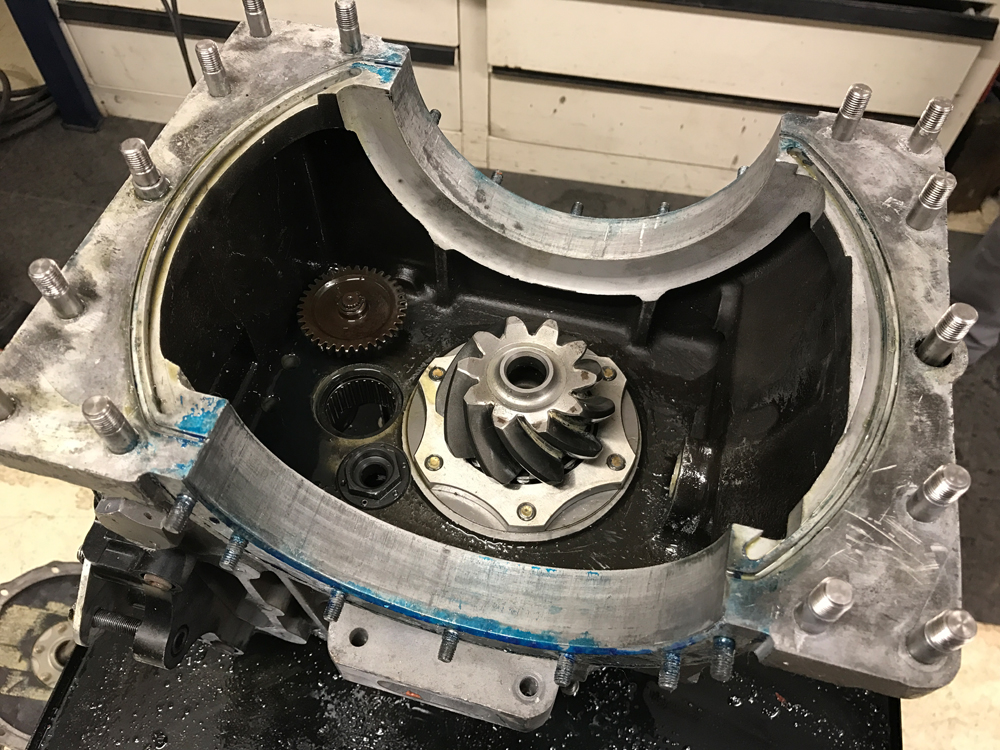
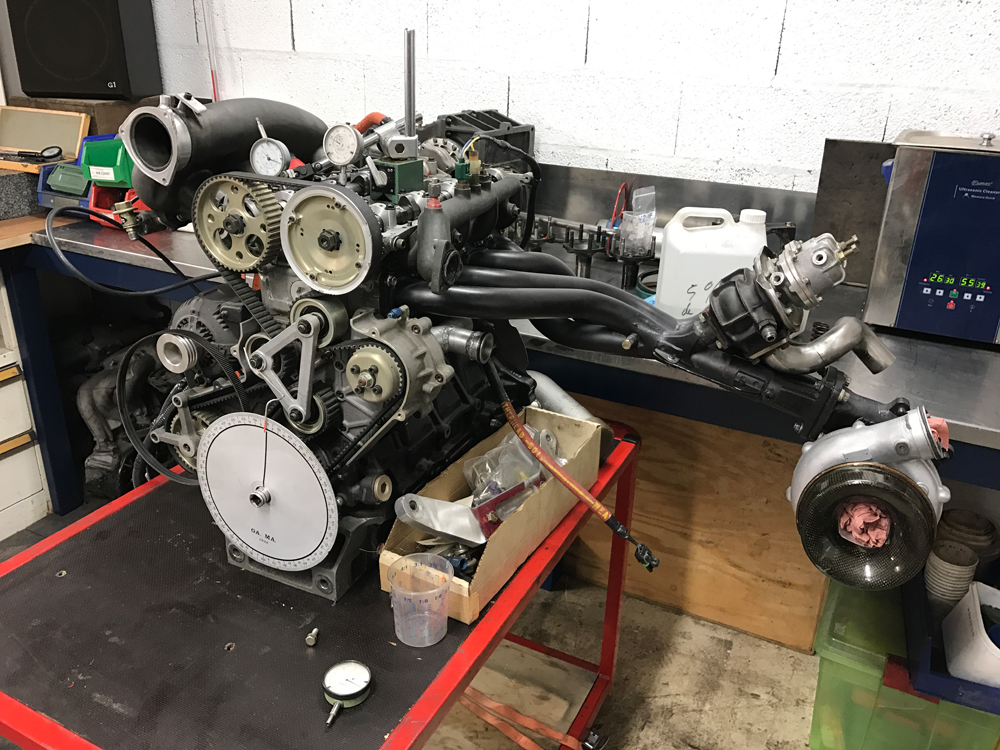
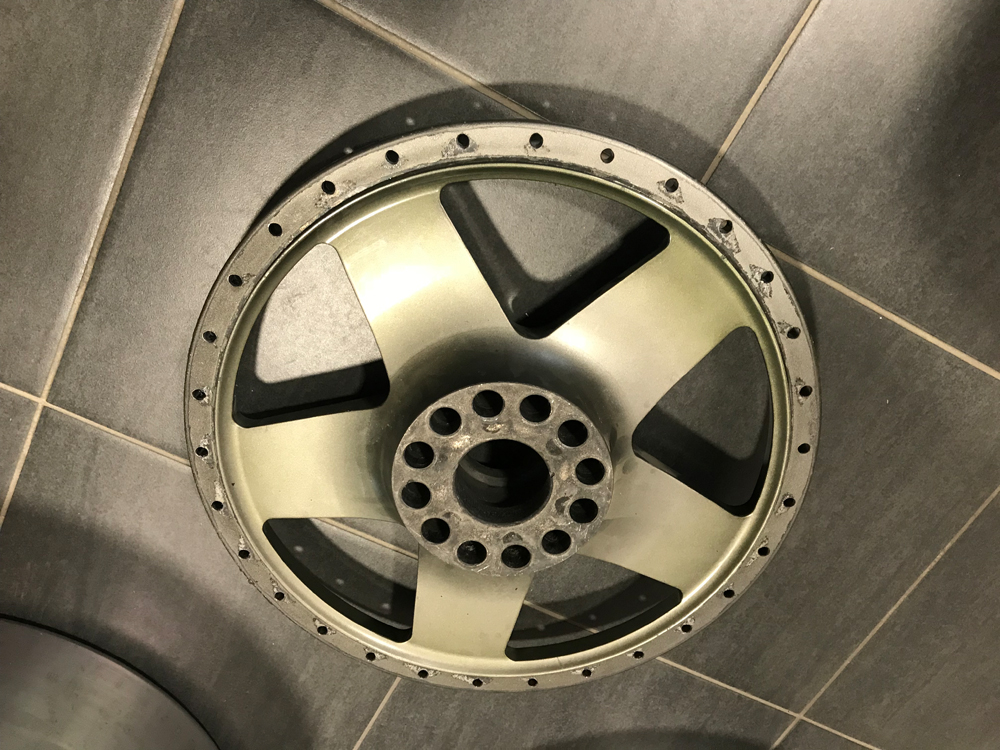
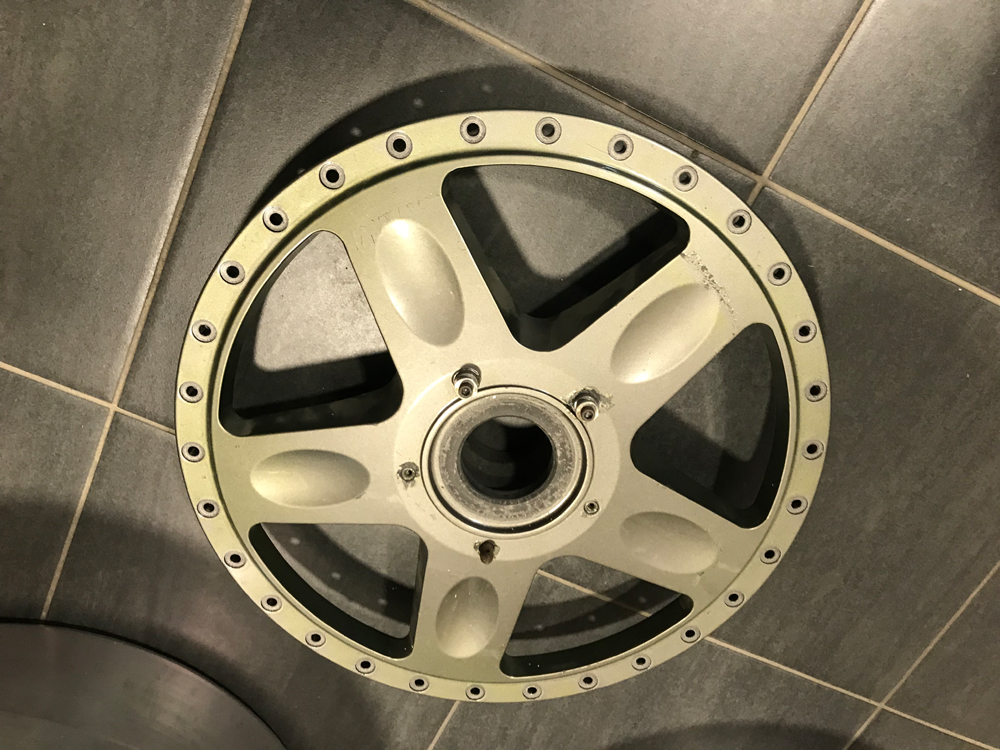
57 photographs of the project, from bare bodywork to the finished Taka-Q livery.
Specifications
Toyota 88C chassis 87C-007
Specifications of the 88C in its 1988 Le Mans configuration. Power and weight are the figures quoted for the model, not measured on this car.
- Année
- 1988
- Châssis
- Aluminium and honeycomb monocoque
- Carrosserie
- Carbon composite
- Moteur
- Toyota 3S-GTM in-line four, 2,100 cc, turbocharged — 650 bhp quoted
- Alimentation
- Electronic fuel injection
- Boîte de vitesses
- March, five speeds
- Suspension
- Double wishbones front and rear, coil springs
- Roues
- Bridgestone tyres
- Poids
- 760 kg quoted for the model
- Éligibilités
- Le Mans Classic, Group C Racing, Le Mans Legend, Goodwood Festival of Speed, Rolex Monterey Motorsports Reunion, Daytona Classic, Sebring Classic 12 Hour
- Design
- Hiro Fujimori, at Dome
- Team in 1988
- Toyota Team TOM’S
- Le Mans 1988 crew
- Paolo Barilla, Tiff Needell, Hitoshi Ogawa
After the workshop
With a Group C collector
At the end of the project the 88C joined the collection of a Group C specialist, who wanted this emblematic example of the Japanese prototypes drawn by Dome. It is kept there in its Taka-Q livery from the 1988 24 Hours of Le Mans.
On its specification and its record, chassis 87C-007 is among the Group C cars eligible for the major historic grids: Le Mans Classic, Group C Racing and Le Mans Legend, as well as the Goodwood Festival of Speed, the Rolex Monterey Motorsports Reunion, the Daytona Classic and the Sebring Classic 12 Hour.
Le résultat
As it looked on 12 June 1988
About 650 hours in the workshop: bodywork, paint, livery and complete reassembly. The project had one aim — to give no. 37 back the exact appearance it had at the start of the 1988 24 Hours of Le Mans.
The mechanicals were not rebuilt: the components were refitted so that the car would be complete, not prepared to run. That was the owner’s brief, and it defines the scope of this project.
Discuss a project